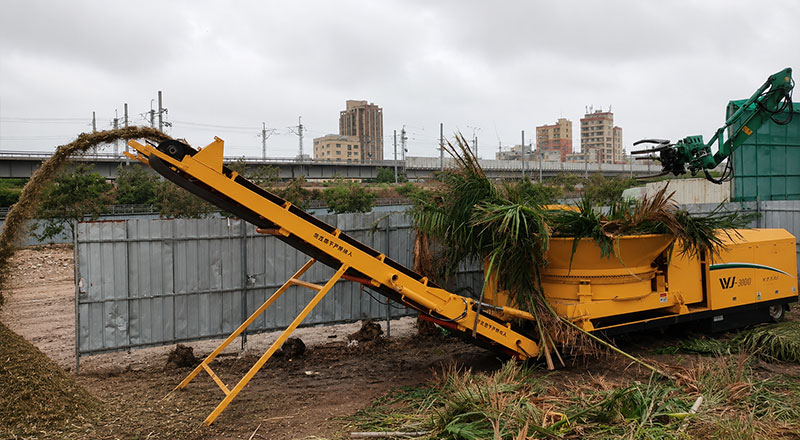
Tub grinder inspection intervals for orchard prunings should come from the machine instructions and a documented review of actual duty, not from a universal number copied between jobs. An orchard crew can organize condition records that help its authorized service team review those intervals without inventing a new schedule. This field note explains that evidence process: identify the task, preserve its basis, record meaningful exceptions and keep the approved interval controlling until a qualified review changes it.
Identify which interval you are discussing
A general statement such as “inspect regularly” leaves several questions unanswered. Identify the component, task, access state and documented trigger. An operator observation from the approved position is not the same task as a technician inspection requiring shutdown and isolation. Keep lubrication, wear measurement, protective-device checks and fault response distinct in the record rather than assigning all of them one informal interval.
Record the instruction source and the machine configuration it applies to. Where an instruction is unclear, ask the responsible service team for clarification. Do not silently substitute a schedule from another model, a similar-looking component or an unrelated pruning job. A maintenance database should show where its schedule came from, not merely when somebody last entered a completion date.
Preserve the interval’s measurement basis
Calendar time, machine hours, active processing hours and an event-based trigger are different bases. Keep the basis written beside the interval. If a log uses operating hours, identify the approved counter and how its readings are transferred. Do not change to productive grinding hours because that produces a more favorable service date. A change of basis requires a documented review, not a spreadsheet adjustment.
For seasonal orchard work, record idle and storage periods separately. Their treatment must follow the relevant machine instructions. A machine that processed fewer pruning loads has not necessarily completed fewer calendar-based obligations. Likewise, recorded transport or setup time should not be removed from an applicable machine-hour basis simply because no accepted output was produced during that period.
Build an interval evidence register
| Register field | Why it matters |
|---|---|
| Task and component identifier | Prevents a general check from being mistaken for a specific inspection |
| Approved basis and instruction reference | Keeps the governing interval visible and traceable |
| Configuration and feed class | Allows observations from comparable orchard duty to be grouped |
| Condition evidence and its limitations | Distinguishes measured findings from subjective observations |
| Exception and review decision | Shows who authorized the next action or schedule change |
Include completion evidence and the next due condition calculated on the same approved basis. Record missing information as missing. A blank measurement should not become a zero, and an observation should not be entered as a measured wear dimension. Those shortcuts can create a misleading trend even when the original technician report was appropriately cautious.
Connect condition records with actual orchard duty
Identify the source and preparation class of the pruning batches processed between inspections. Separate routine branches from exceptional mixed collections. Preserve relevant configuration changes and documented contamination events. Do not attribute a later finding to the material solely because both occurred in the same week. The record should help the service team investigate a relationship, not declare a cause before examination.
The orchard feed-characteristics guide supplies a structure for that material description. Use consistent class identifiers rather than repeatedly writing “normal branches.” A class should retain the important distinctions in source, geometry and preparation so a later interval review can identify which observations are actually comparable.
Treat exceptions as triggers for review, not automatic extensions
Follow the documented response to abnormal indications, suspected contamination or a protective-device issue. Keep the event reference beside the condition record. A team should not wait for an ordinary calendar inspection when the machine instructions require an immediate response. Conversely, several observations without a reported issue do not authorize extending an approved interval.
Ask the service team what additional evidence is needed when a finding recurs. Preserve actual readings, approved measurement locations and the relevant operating state. Photographs can document visible condition but do not replace a measurement that the inspection task requires. Do not collect a closer photograph by entering an unsafe area or accessing a machine that has not reached the required maintenance state.
Keep productivity evidence in its own ledger
Use throughput records to describe the completed work and delays, not to manufacture a wear interval. The orchard throughput review helps retain feed, moisture and configuration boundaries. A low accepted-output rate is not proof that a component is worn, just as a high short-run rate does not establish that inspection can be postponed.
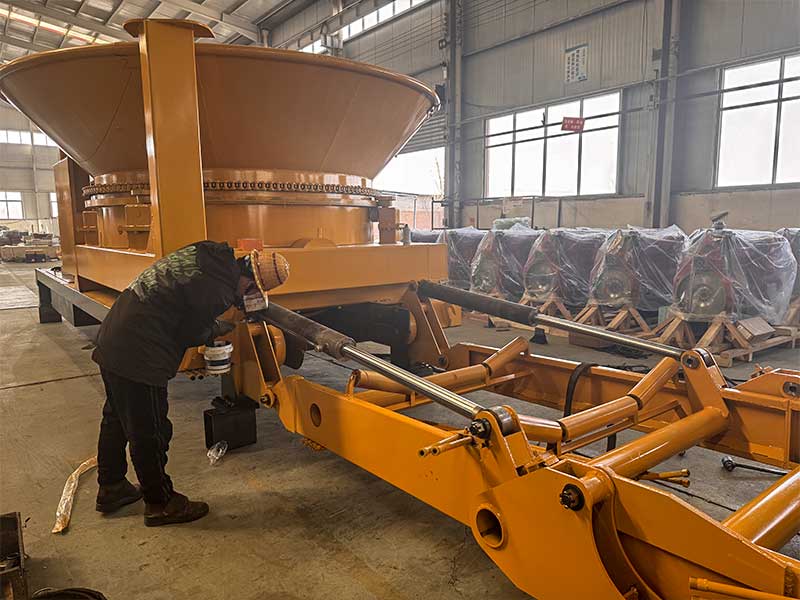
Link the two ledgers through machine, batch and configuration references. A service reviewer can then examine whether an observed condition coincides with a documented change in duty. Keep the limitations visible when measurement methods changed or records are missing. An interval decision needs appropriate evidence, not a graph that appears smooth because incomplete periods were silently removed.
Document a reviewed schedule change
If an authorized review changes an interval, retain the previous basis, new basis, reason, applicable configuration and effective date. Identify who approved it and which earlier tasks remain due. Do not retroactively rewrite past records to make them look compliant with a revised schedule. Where the change applies only to a particular condition or component, keep that scope explicit.
Send the register and unresolved findings through the engineering contact page alongside the relevant tub grinder identification. The horizontal wood grinder overview can support a separate layout review, not an inspection-interval substitution. The outcome should be a traceable task and an authorized next-due condition, with machine instructions remaining controlling.