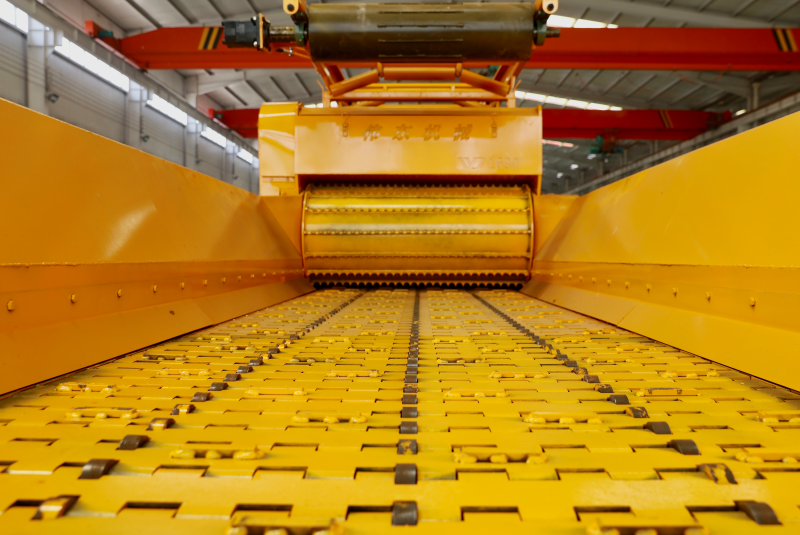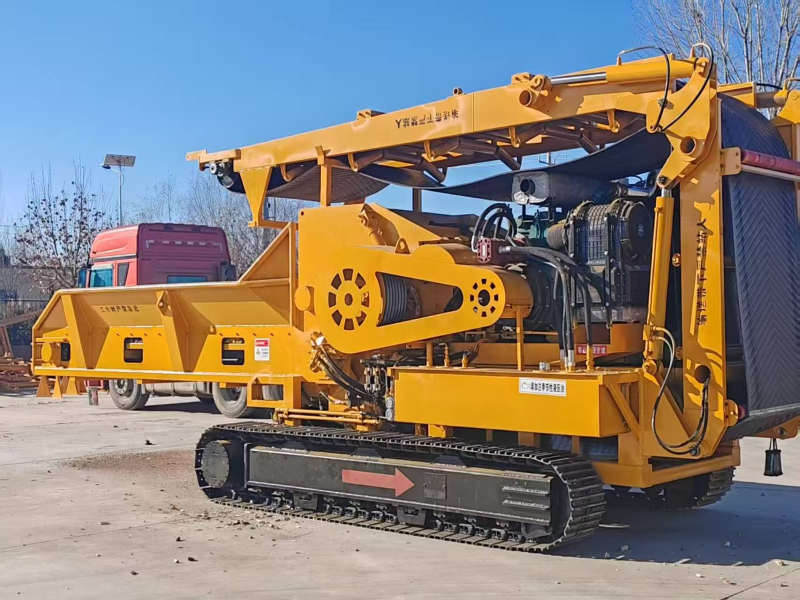
Land-clearing debris throughput depends on feed size, moisture and screen choice together, not on a single rated number. Long forked branches may slow loader presentation, wet foliage may change material movement, and a tighter output requirement can increase regrind or reduce accepted yield. A useful engineering trial changes one variable at a time while recording full-shift events. This guide identifies measurements to request before comparing horizontal grinder configurations. Exact feed limits, screen options and safe procedures must be confirmed for the proposed machine.
Start with a defined material range
Separate clean stems, brush, tops, foliage and root-heavy or muddy material into identifiable lots. Record source, collection method, maximum practical dimensions and the fraction excluded as contamination. A pile labeled land-clearing debris is too broad for a throughput claim. The land-clearing feed-characteristics worksheet shows how to describe the material before the test. Keep lot identifiers on tickets and output samples so difficult pieces are not blended away in an average.
Measure the feed size that the loader presents
Use the actual loader and attachment to handle typical and difficult pieces. Record branch length, fork shape and the number of picks needing separation or cutting. The maximum opening dimension is not the same as a practical feed rate for tangled material. Time pile approach, grip, orientation, travel, feed presentation and return. If the loader also moves output, record its split duty. Do not claim the grinder can sustain a high input rate when the handling system cannot deliver eligible material continuously and safely.
Treat moisture as a measured condition
Record collection date, rain exposure, storage method and sampled moisture using the receiver’s accepted method. Keep wet foliage and drier woody material distinguishable in the trial. Do not assign a universal correction factor based on appearance. Moisture changes the basis of mass comparisons and can affect output acceptance; a wet-tonne rate cannot be compared directly with a dry-tonne proposal. State whether quantities are wet mass, dry matter estimates or volume estimates, and keep the method visible to everyone reviewing the results.
Define the receiver's output requirement
Obtain written particle-size, oversize, fines, moisture and contamination criteria. Identify how samples are taken and who decides acceptance. A screen can be evaluated only against that output rule. The supplier should specify screen options approved for the exact grinder and explain access and service requirements for each. Do not infer a universal opening from a similar material on another project. The logging slash throughput protocol gives a related testing structure; mixed clearing material may need more exclusions and separate lots.
Keep screen comparisons controlled
If two screens are tested, use comparable input lots, loader method and operator conditions. Record installed screen, condition and any manufacturer-approved settings. Measure accepted output, oversize, fines, regrind and stop time for each run. A finer product may be desirable, but the project must weigh its acceptance value against additional handling and potential rate effects. Do not combine a clean dry lot under one screen with a muddy wet lot under another and attribute the difference only to the screen.
Before starting, prepare a simple test matrix. Give every run a lot number, screen identifier, start and stop time, loader, output sample number and reason for any interruption. Decide in advance how the crew will sample the product and who can approve a configuration change. Keep the order of tests visible, because a gradual change in material as a pile is worked down can otherwise be mistaken for a machine setting effect. Photograph the feed and output at the same points for each run. If a lot becomes unsafe or unrepresentative, stop it and document why instead of filling a missing data point with an estimate.
Observe the machine and the whole line
Log feed interruptions, alarms, unusual vibration, blocked discharge, truck exchanges and service work. Follow model-specific stop and energy-isolation procedures when a fault occurs. A full output bay is a line constraint, not proof that the grinder’s rotor is at capacity. A loader waiting on traffic is also not a machine limit. The safe-feeding checklist explains why production measurement must respect guarding and stop rules. Do not bypass controls to preserve a timed run.
Calculate rates with clear denominators
For each lot and screen, report eligible input per feed-on hour, eligible input per total work hour and receiver-accepted output per total work hour. Include excluded input, regrind and moisture basis. Keep raw tickets and event times so a supervisor can reproduce calculations. A short peak interval is useful for diagnosing feed behavior but should not become the project rate. If the most difficult typical lot was not tested, mark the estimate provisional and plan another run rather than averaging only easy material.
Diagnose low throughput by cause
If long branches create repeated stops, examine sorting and loader presentation before specifying a larger motor. If wet material produces unsuitable output, review storage, screen and receiver acceptance. If a full discharge bay interrupts feed, revise truck scheduling and stockpile layout. If wear or foreign objects cause stops, review source control and qualified maintenance. Change one part of the system and retest a comparable lot. The objective is accepted product under safe operation, not merely more material passing the infeed for a few minutes.
Turn results into a purchase specification
Summarize material range, exclusions, sampled moisture, loader and operator, proposed screen, acceptable product, observed rates and untested conditions. Ask the supplier to state which configuration meets the requirement and which assumptions need confirmation. The horizontal grinder range provides equipment context. A horizontal wood grinder overview can orient procurement, while the engineering contact page is the place to request a model-specific trial and configuration review. Retain the worksheet with the order so later performance discussions use the same material and product definitions.