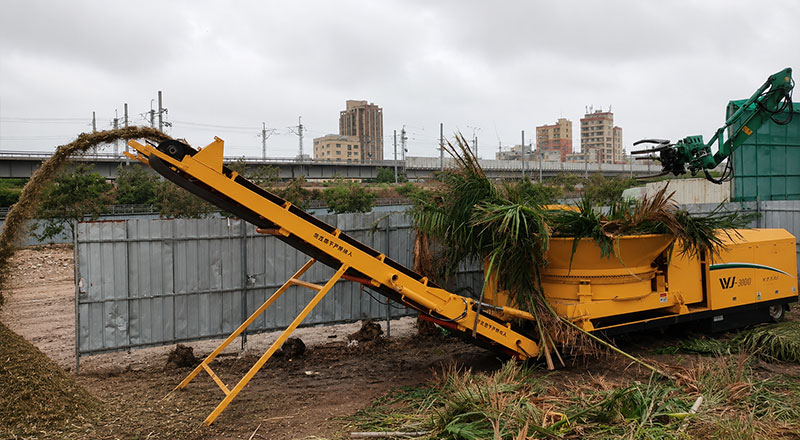
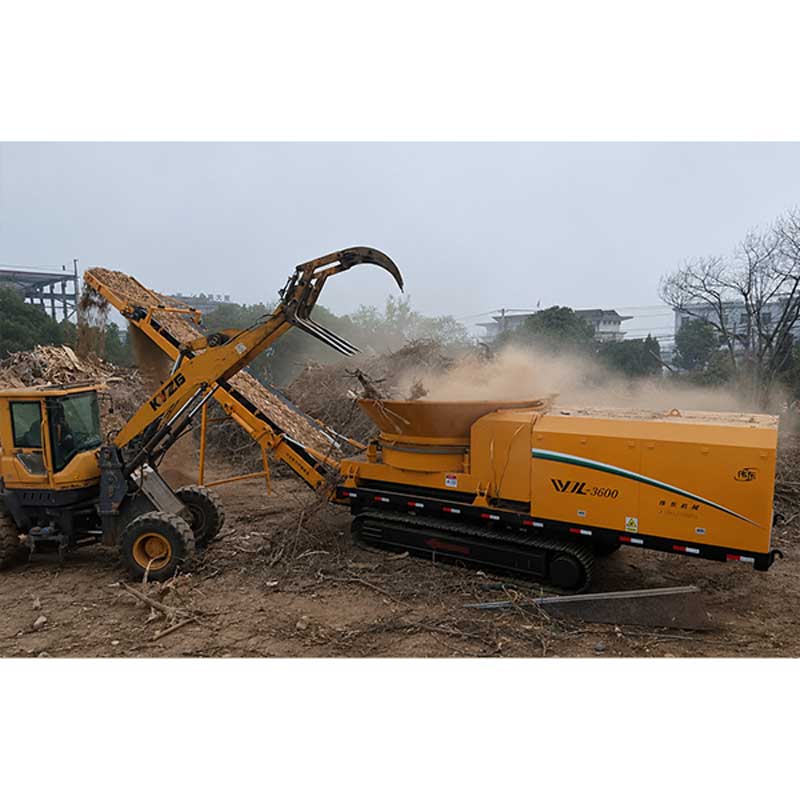
Tub grinder inspection intervals for compost feedstock should start with the delivered machine’s maintenance schedule, then account for observed duty and condition. There is no defensible universal number of hours for every screen, wear component and operating environment. This guide explains how a maintenance planner can build a usable inspection register for woody compost ingredients without confusing a production interruption, an operator observation and a formal service task.
Build the register from the actual machine documents
Record the machine identity and the revision of the maintenance information used. Separate tasks specified by operating hours, calendar time, condition and events such as relocation or a suspected impact. Where the instructions specify more than one limit, follow the applicable requirement. Do not replace a calendar limit with accumulated operating hours merely because the machine has been idle.
For each task, record the required safe state, responsible role and completion evidence. The tub grinder product section identifies equipment families, but a product page is not the maintenance schedule for a particular machine. Obtain missing service instructions before assigning work that depends on them.
Keep routine observations separate from maintenance access
An operator can record approved machine indications and externally visible changes from a designated safe position. Those observations do not automatically authorize access to the grinding chamber, conveyors or other hazardous areas. Internal inspection, clearing and servicing must use the required shutdown, isolation and stored-energy control procedure with authorized personnel.
Make that distinction visible on the task card. A field labelled “inspect screen” is ambiguous unless it identifies who performs it, when the equipment must be made safe and what evidence is needed. The maintenance planner should resolve ambiguity before the task reaches a shift checklist. Staff should not improvise a method simply to complete a due item.
Describe the compost feedstock duty
Record the approved woody fraction, preparation method, moisture measurement method and source conditions. Material collected from a clean hardstanding and material collected from a soil-covered pile base can expose the equipment to different conditions. A change in the visible fine fraction, soil contamination or handling practice is a reason to review observations, not a reason to invent an unsupported service interval.
Keep feed records alongside machine hours. The compost feedstock throughput test helps define material and operating conditions. A decrease in accepted output may justify investigation, but it does not by itself prove worn parts: loading delays, output handling and a changed acceptance requirement can also affect the result.
Create three kinds of entries
| Entry type | Example information | Planning treatment |
|---|---|---|
| Scheduled service | Manual task reference and applicable due limit | Reserve the required time and resources before it becomes due |
| Condition observation | Trend, location, time and operating condition | Refer to the authorized reviewer and record the decision |
| Event inspection | Suspected impact, abnormal response or a relevant change | Apply the required stop, inspection and release process |
Do not close all three entries with the same generic note. Scheduled work needs completion evidence; a condition observation needs a disposition; an event needs its cause assessment and restart authority. Keeping those records separate makes it easier to see overdue work and repeat symptoms without double-counting downtime.
Use intervals that can be traced to a decision
If an authorized service reviewer recommends more frequent checks because of observed conditions, record the affected task, the reason, the new review point and the evidence needed to reassess it. A shorter inspection interval should not become an unexplained permanent rule copied to every machine. Equally, a clean inspection does not authorize extending a manufacturer requirement.
Record changes in configuration and replaced components so the planner knows which baseline the next observation belongs to. Comparing an old screen condition with a new component’s first run without noting the replacement makes a trend chart misleading. When evidence is incomplete, retain the uncertainty instead of making the graph appear continuous.
Turn findings into a parts and access plan
For an approved corrective job, confirm the part identity, compatibility, availability, required tools and authorized personnel. Plan access and the handling method before scheduling the stop. Do not substitute a visually similar part or assume that a stock item fits every rotor or machine version.
The compost feedstock wear-part cost ledger can connect completed work with accepted output. Keep inspection time, replacement time, waiting for parts and unrelated loading delays in separate fields. Otherwise the cost record cannot tell whether the next improvement should address maintenance planning or the surrounding work cell.
Make the shift handover useful
At handover, list open items, due tasks before the next planned run and restrictions still in force. Include the person responsible for each decision. An observation copied into several shifts without a reviewer can create the appearance of monitoring while nothing is resolved.
For smoke, abnormal heat, unusual noise or vibration, damaged guarding or suspected hard contamination, follow the applicable stop and response procedure. The register supports that process; it does not replace it. Mark the machine’s status clearly enough that a replacement operator cannot mistake a held unit for a ready unit.
Review the register when the duty changes
Compare repeat findings after a new source, preparation practice or operating arrangement is introduced. If another feed layout is being considered, the horizontal wood grinder overview can support a configuration discussion, but it provides no authority to change maintenance limits. Send the machine identification, task references, duty records and unresolved findings through the engineering contact page so service advice can address the actual unit and condition.