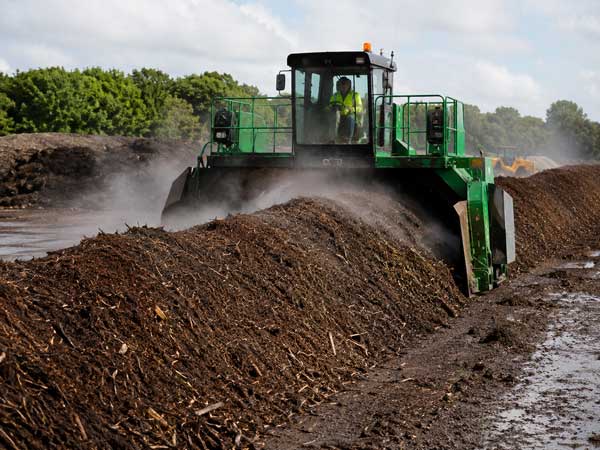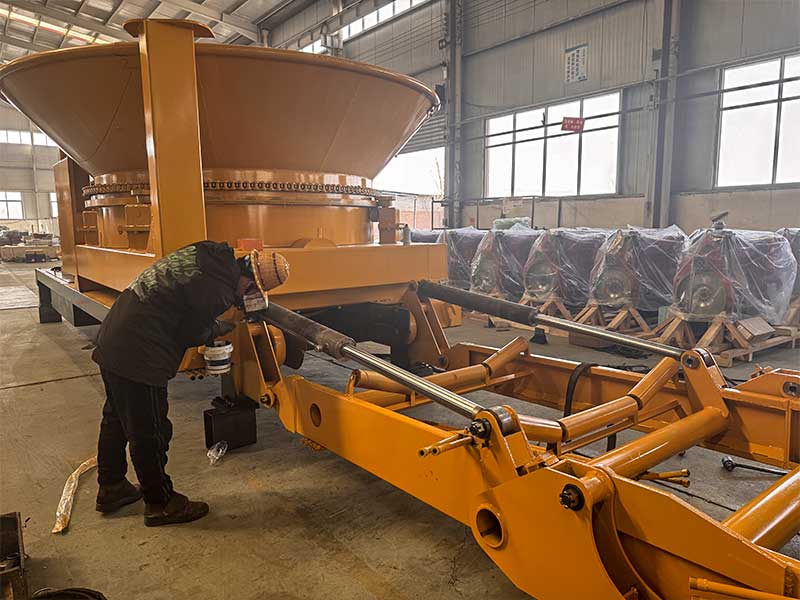
Municipal woody waste feed characteristics for tub grinder selection should describe the actual material offered to the machine, not just the collection programme’s name. Branches, woody roots, pruning residues and prepared mixtures can differ in geometry, condition and foreign-material exposure. Their shared label does not establish that they need the same preparation or will produce the same operating result.
This field note is for a buyer assembling a material profile before requesting equipment proposals. It explains what to measure or document and how to preserve variation. It does not assign universal feed-size limits, moisture ranges or capacities. Those decisions need the proposed machine documentation, representative material evidence and the intended output specification.
Define the source boundary first
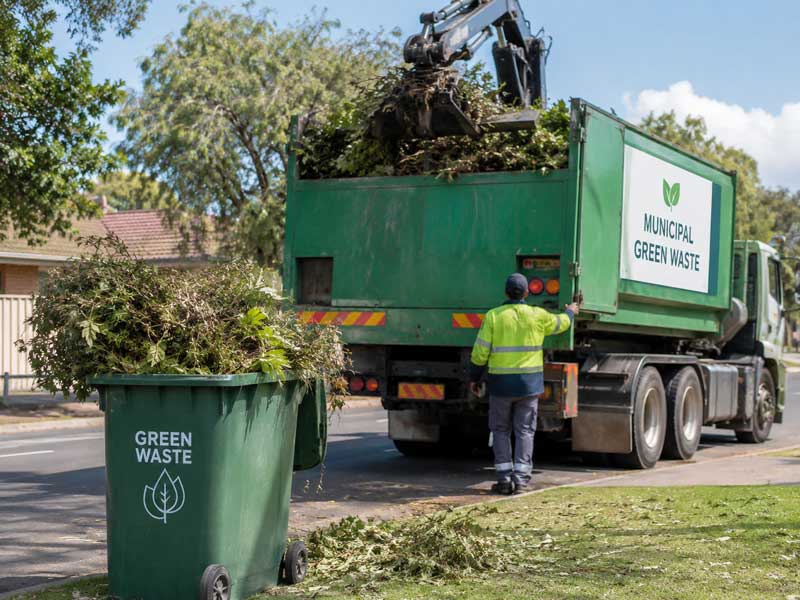
Identify which collection streams are included and which are excluded. Record source certainty, receiving criteria and the state at which material becomes released feed. Keep mixed or unresolved loads separate from the profile used to assess the machine.
The sawmill feed-characteristics guide provides a useful comparison with a controlled production source. Municipal inputs need their own evidence rather than a copy of mill assumptions. Retain known changes in collection practice and gaps in the observation period.
Describe geometry beyond one largest dimension
Record the relevant shape and distribution of material within the released stream. Long branching pieces, short woody sections and tangled bundles do not behave identically merely because one dimension appears similar. Use an approved observation and measurement method without creating an unsafe handling task.
Include the preparation state: unprepared, separated, resized or otherwise prepared according to the project’s requirements. A profile of the material delivered to the yard can differ substantially from the profile presented to the grinder. Keep both states identified if preparation is part of the proposed system.
Record condition with its measurement basis
Document moisture or other relevant material conditions only with the stated method and sample basis. Mark an impression such as wet-looking as an observation, not a measured moisture value. Retain whether mass is as received and whether a volume-to-mass conversion is measured, estimated or unavailable.
Describe associated soil, stones, unrelated mixed material or unknown inclusions through the receiving process. Do not interpret a material photograph as a cleanliness test. The proposed equipment configuration must be assessed against released material with its acceptance and preparation conditions made explicit.
Build a material-profile sheet
| Profile field | Evidence required | Uncertainty to preserve |
|---|---|---|
| Source and stream | Collection description and receiving criteria. | Unknown origin or changes in collection practice. |
| Geometry and form | Representative observations and approved measurements. | Rare pieces, bundles or unobserved variations. |
| Preparation state | Work completed before feed release. | Preparation assumed but not demonstrated. |
| Material condition | Method, sample basis and observation period. | Estimated values presented as measurements. |
| Foreign-material status | Receiving findings and disposition decisions. | Invisible or unresolved inclusions. |
| Output destination | Receiver specification and acceptance method. | Unconfirmed downstream requirements. |
Attach identifiers to observations and samples so that a supplier can understand what they represent. A single attractive specimen is not a profile of a varied collection stream. State which conditions the evidence covers and which remain outside the observed range.
Preserve variation instead of creating an ideal feed
Separate routine sources from exceptional loads in the records. Retain observed mixtures and preparation differences. If a trial sample excludes the awkward but accepted portion of the actual stream, its results need that limitation stated before being used for selection.
Use the municipal duty-profile method to connect quantity and timing with this material description. The quantity profile says how much work is required; the feed-characteristics sheet says what that work involves. Neither should silently substitute for the other.
Connect the feed profile to output acceptance
Define what the receiver requires and how output will be assessed. A configuration discussion should consider accepted output from representative material, not only whether feed can enter the machine. Record oversize, rejects or additional preparation where the proposed process creates those streams.
The throughput-test measurement principles explain how feed condition and configuration affect comparison boundaries. Apply those principles to municipal material with its own sample description rather than importing a result from a different source.
Request a configuration review with the evidence attached
Provide the material sheet and receiver requirements when discussing the tub grinder equipment options. Ask which feed and preparation assumptions the proposal depends on, what information is missing and which conditions need an authorized trial or further assessment.
If a horizontal wood grinder is relevant, compare it using the same representative stream and acceptance criteria. Changing the architecture should make configuration differences visible, not redefine the input so that one proposal appears more favorable.
Review the profile when the source changes
Retain the approved source description, observations, preparation assumptions and unresolved questions with the procurement record. Review material changes against that baseline. A new collection stream or different preparation method can require reassessment even if the programme continues to use the same municipal woody-waste label.
Send the profile through the equipment selection contact for a configuration discussion. A useful feed-characteristics document shows what is known, how it was established and where evidence remains incomplete. That is a defensible basis for tub-grinder selection without inventing numerical limits or promising performance from a material name alone.
Use a concise supplier-question sheet
Ask the supplier to identify the proposed configuration’s documented feed requirements, the preparation assumptions behind the offer and the evidence needed to assess the unobserved portions of the stream. Request that any demonstration report distinguish the tested material from the full collection profile. Retain answers beside the profile rather than treating a general statement that the machine handles green waste as confirmation of every source and condition.
Where a question remains unresolved, identify the decision it affects: preparation, configuration, trial design or output destination. This makes further data collection purposeful and prevents missing evidence from becoming an implied equipment capability.