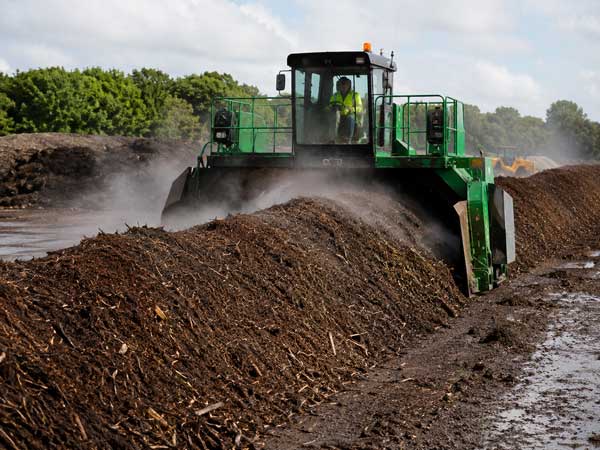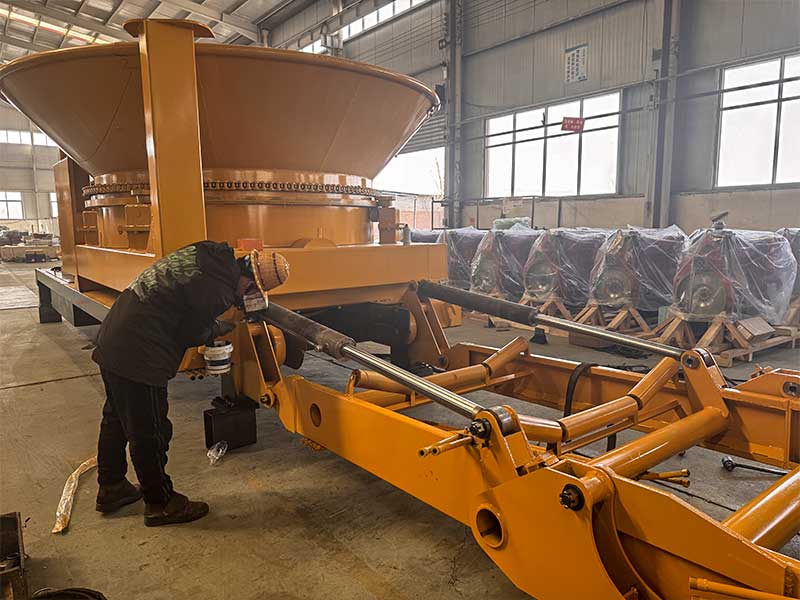
Organic fertilizer feed characteristics for tub grinder selection should describe the proposed woody ingredient, not every organic material handled by the plant. Clean branches, segregated wood residues and approved woody pruning material can present a mechanical preparation duty. Wet manure, liquid feed and finished fertilizer are different duties that must not be assumed suitable for the same machine. The project’s name does not establish a material’s eligibility.
This engineering field note explains how to create a feed dossier before requesting a machine recommendation. Its purpose is to expose uncertainty about the source, geometry and changing lots. It does not prescribe a compost recipe or certify the fertilizer eventually produced. Keep machine-feed approval and downstream ingredient acceptance as separate recorded decisions.

Identify the woody stream inside the wider operation
List the material actually proposed for grinding and its source history. Separate untreated woody residues from coated or treated wood, mixed refuse and material of unknown origin. Note how the receiving team identifies and holds disputed loads. A claim that the whole plant handles organic waste gives the supplier less useful information than a clear description of the segregated wood duty.
For projects already using a compost feed-characterization sheet, add an explicit ingredient boundary and receiver sign-off. Do not transfer eligibility automatically from one compost ingredient or collection route to another. The preparation machine should be recommended for documented material, not a broad biological label.
Record geometry as a handling problem
Photograph representative branches and residues with a stated scale reference where appropriate. Record bulky forks, flexible long pieces and mixed geometry separately rather than compressing the whole lot into one average dimension. The feeding arrangement and required preparation must be assessed against the exact machine configuration and the supplier’s limits.
Geometry also affects the credibility of a test. A demonstration using conveniently sorted straight pieces is not representative of a supply containing awkward branching material. Preserve the lot description and note what was excluded. Do not report an easy demonstration’s output rate as a general capacity for every woody ingredient delivered to the project.
Describe moisture and mixture changes without guessing composition
Record whether the lot was recently delivered, exposed to weather or combined with other material. Use the site’s defined moisture measurement if one is required; visual appearance is an observation, not a measured moisture percentage. State what method was used and which part of the lot was sampled. A dry-looking surface does not characterize the entire stockpile.
Where leafy or fine material varies within an eligible stream, retain that distinction in the dossier. Avoid attaching a nutrient content or carbon-to-nitrogen ratio to the lot without applicable test evidence. A mechanical trial can show handling behavior, but it cannot establish the biological performance of a mixture or the quality of finished fertilizer.
Separate feed findings from their possible consequences
| Observed feed finding | Question for the trial team | Conclusion not justified by observation alone |
|---|---|---|
| Irregular branching geometry | What approved preparation and loading method is needed? | That a larger machine automatically solves every interruption |
| Changing woody-to-leafy mix | How will separate eligible lots be identified and tested? | That all lots share one capacity or output distribution |
| Unknown source history | Can the receiving team establish eligibility? | That organic appearance means safe, acceptable feed |
| Visible soil or foreign material | What inspection, hold and exclusion rules apply? | That grinding removes contamination |
| Variable weather exposure | What observations or measurements characterize the lot? | That a photograph proves moisture content |
The table is an engineering reasoning aid, not a failure diagnosis for a particular customer. Use it to ask for missing evidence. Do not convert an observation into a promised machine result or a finished-product claim.
Build a batch envelope instead of one ideal sample
A batch envelope describes the range the project expects to receive: approved sources, typical geometry and documented variations. Choose representative lots within that envelope. State whether the test covers an ordinary delivery, a difficult but eligible lot or a limited demonstration. Keep changes to the feed separate from changes to screen or machine configuration so that comparisons remain interpretable.
The size, moisture and screen comparison method provides a related measurement framework. In this project, add a receiving test for the woody ingredient’s intended downstream role. Accepted ingredient, oversize, rejects and reprocessed material should remain separately identified rather than being combined into gross output.
Connect the dossier to the proposed equipment
Share the dossier when reviewing the tub grinder equipment range. Request a material-specific configuration recommendation and written assumptions about allowed feed, preparation and support equipment. Keep unresolved source or geometry questions visible in the trial plan. Do not accept an unqualified production promise for an undefined incoming stream.
A horizontal wood grinder may enter the comparison if the documented geometry and loading arrangement suggest another feeding category. Test alternatives against the same eligible material and receiving criteria. The comparison concerns wood preparation; it does not establish that either machine processes every input in an organic fertilizer plant.
Use a source-change rule to control later deliveries
After an accepted trial, define which changes require another review: new source history, materially different geometry, new contamination observations or an altered mixture. The process owner and supplier should identify those triggers for the actual duty. Do not invent universal change thresholds. A purchasing acceptance test loses value if future loads no longer resemble the approved feed.
Maintain a lot record linking source, observations, configuration and the receiver’s decision. Operators must follow manufacturer procedures and site controls, including energy isolation before applicable clearing or maintenance. A disputed load or production deadline is not authority to improvise a clearing method or process an unapproved material.
What belongs in the engineering handover?
Provide the eligible-feed definition, exclusions, representative photographs, sampling method, observed variability and trial boundaries. Add the output acceptance method and a list of unresolved questions. Send that material through the engineering contact page for an application review. Keep the dossier updated as the project moves from a proposal to actual deliveries.
The result should be a defensible connection between an observed feed and a proposed machine duty. It should also show where evidence ends. Grinder performance, accepted compost ingredient and finished organic fertilizer quality are related stages, but they are not interchangeable claims. Clear feed characterization prevents a broad project label from concealing the work each stage still has to prove.