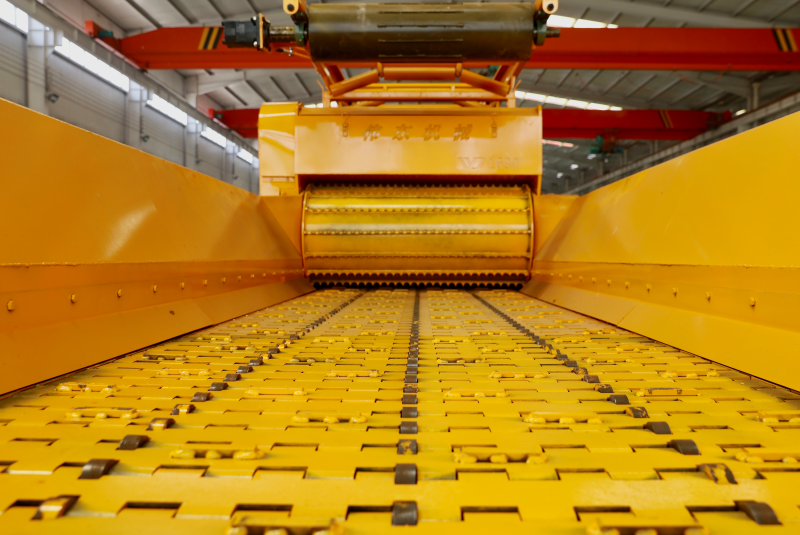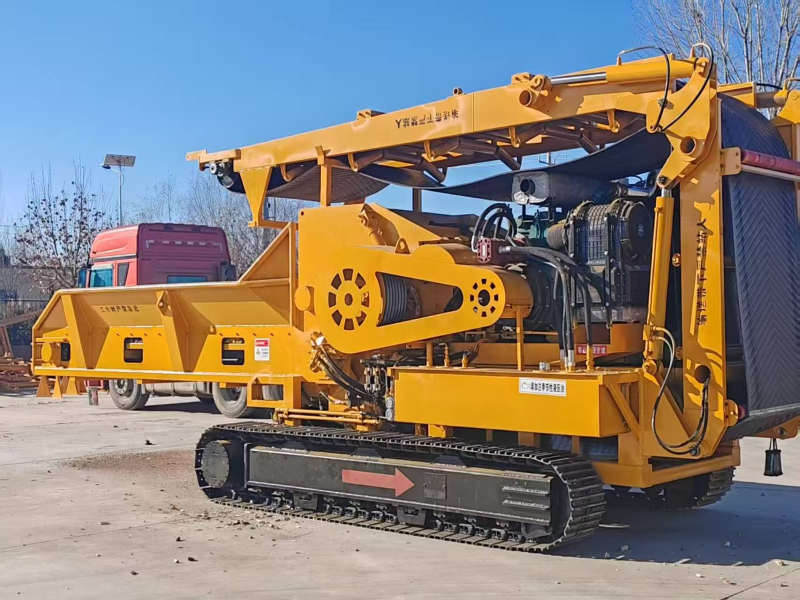
Safe feeding orchard prunings into tub grinder equipment begins with lot control, preparation, and a clear loader-to-operator handoff. Prunings can look uniform while hiding wire, stakes, irrigation parts, soil, stones, plastic ties, or geometry that the loader cannot control. The workflow should release verified woody material to the machine rather than ask the operator to inspect an unknown pile during feeding.
Define the incoming orchard lot
Record the orchard block or collection area, pruning method, collection date, handling steps, species mix where relevant, moisture condition, and known non-wood items. Keep separate lots separate until the project has evidence that blending is acceptable. A truck count or pile photograph is not enough to describe feed condition.
Identify who owns the lot decision at receiving. The applications overview can frame the orchard-residue use case, but the site team must document what is actually present in each delivery.
Use four release gates before feeding
| Gate | Evidence | Decision |
|---|---|---|
| Source | Known orchard block, collection method, previous handling | Accept for inspection or hold for clarification |
| Contamination | Visible wire, stakes, irrigation parts, soil, stone, plastic, unknown objects | Release, isolate, or require approved preparation |
| Geometry | Branching, bundles, flexible pieces, exceptional diameter or length | Confirm controllable presentation or hold |
| Machine handoff | Lot identity, operator readiness, available discharge route | Authorize feeding under the documented procedure |
The gates create a repeatable decision path; they do not guarantee that every concealed object is found. If uncertainty cannot be resolved by the approved inspection method, keep the material out of the released-feed area.
Separate released, held, and prepared material
Mark physical zones for uninspected deliveries, released feed, held exceptions, rejected material, and prepared pieces awaiting a new decision. Use lot signs that remain readable after material is moved. Do not rely on pile appearance or verbal memory across shifts.
When branches are cut, unbundled, cleaned, or blended, update the lot record. Preparation changes the evidence and may expose a new risk. It does not automatically convert held material into released feed.
Remove orchard-specific contamination upstream
Ask how branches were supported, tied, irrigated, collected, and loaded. Trellis wire, fence fragments, stakes, irrigation fittings, plastic twine, and soil transferred by collection equipment can travel with the prunings. Inspect the handling route as well as the pile.
Define the authorized response for each observed item. Do not ask a loader operator to improvise cutting, pulling, or extraction near an active machine. Preserve the object and lot identity when a stop event occurs so the upstream control can be corrected.
Design the loader cycle before production
Trace one complete cycle: collect released feed, approach within the approved work arrangement, present the material under the selected machine procedure, leave the active area, and begin the next assigned task. Add truck unloading, sorting, output clearing, and attachment changes if the same loader performs them.
Competing tasks create pauses and pressure to bypass inspection. Record the task change instead of calling every interruption grinder downtime. Review the actual tub grinder configuration, loader capability, work cell, visibility, and discharge route together.
Make the handoff unambiguous
The loader operator should know the lot, current status, exceptional pieces, required presentation method, communication signal, and stop condition. The grinder operator should know when the next lot begins and whether its source or preparation differs from the previous one. If either person loses material identity or control, stop under the site procedure.
Do not invent a universal bucket size, approach distance, feed orientation, or production rate. Those choices depend on the actual attachments, machine configuration, material, ground, visibility, and authorized documentation.
Record feed interruptions by cause
- Material not released or lot identity missing.
- Contamination found during presentation.
- Piece geometry or entanglement not controllable.
- Loader occupied by receiving or output work.
- Discharge or storage path unavailable.
- Machine observation requiring an authorized stop.
Cause coding keeps a workflow problem from being reported as a machine-capacity problem. Record elapsed observation time, released input quantity, interruptions, output disposition, and the measurement basis. The resulting evidence is more useful than an unsupported hourly claim.
Keep these records with the related technical resources and operating notes so selection, measurement, and maintenance decisions use the same definitions.
Run a controlled representative trial
Select a normal permitted lot and a difficult permitted lot. Record inspection time, rejected items, preparation steps, loader cycles, feed interruptions, output clearing, and output observations. Keep output traceable to the source lot. A short trial should expose bottlenecks and unsafe assumptions before the site commits to a larger schedule.
Review the trial with receiving, loading, operating, maintenance, and output personnel. Revise the gates, zones, or responsibilities when evidence shows that the handoff is unclear. Do not generalize the result to a different orchard stream without documenting what changed.
Connect feeding evidence to equipment selection
Provide representative photographs, exceptional-piece dimensions, contamination findings, moisture condition, loader information, site access, required output, and the proposed inspection workflow. Mark measurements separately from estimates. Ask the supplier to state configuration assumptions and identify when a material test is needed.
Teams comparing controlled infeed can use the independent horizontal wood grinder resource, while applying the same source, contamination, and loader-cycle evidence. A different infeed arrangement does not remove the need for lot control.
Close the shift with a traceable status
List released and held lots, unresolved objects, changed zones, feed interruptions, open equipment observations, output status, and remaining storage capacity. Confirm that the next shift can distinguish every material state without guessing. Review patterns in rejected items by orchard source and collection method.
Send the material matrix, loader-cycle notes, site sketch, photographs, and questions through the engineering contact page. The goal is a configuration discussion grounded in an observable feeding process, not a generic claim that all orchard prunings behave alike.