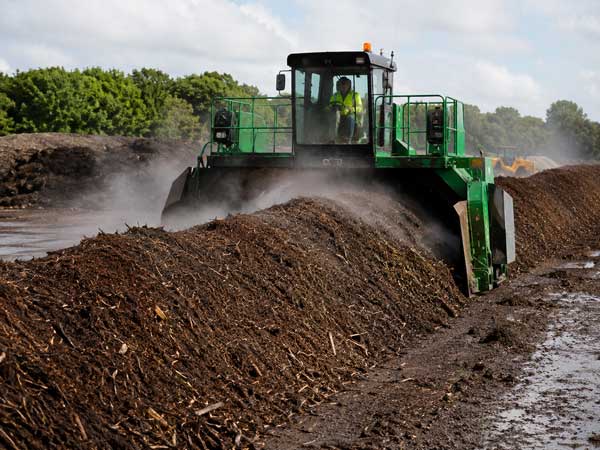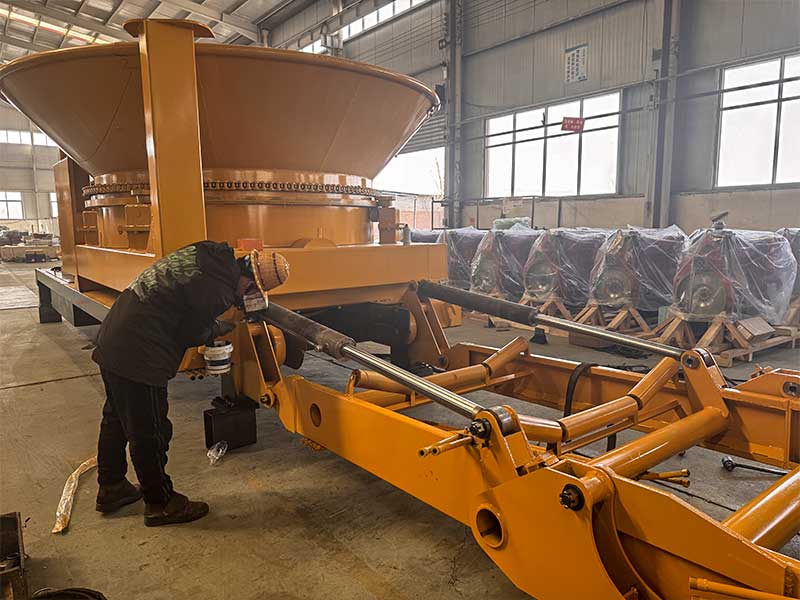
Safe feeding sawmill waste into tub grinder operations begins before a loader presents bark, slabs or other residuals to the machine. The operating team needs to know which material is released, what preparation has been completed and who can stop the feeding sequence when conditions change. A mill’s controlled source can simplify traceability, but it does not eliminate foreign-material or equipment hazards.
This field note is for a mill supervisor preparing the handoff between material preparation and an authorized grinder operator. It defines records and responsibilities rather than a machine operating procedure. The actual feeding method, restricted areas, communications and hazardous-energy controls must follow the specific equipment documentation and approved site arrangements.
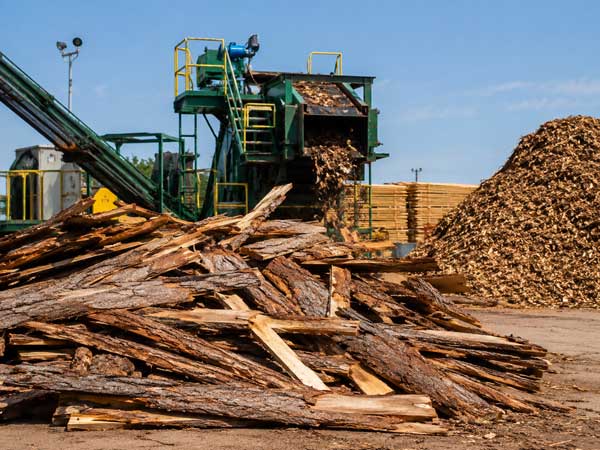
Release a defined stream, not an unnamed pile
Identify the source process and residual type. Keep bark, slabs, offcuts and other relevant streams distinguishable where their preparation or handling differs. Record what the acceptance and preparation review established, including any unresolved inclusions or material that remains held.
The sawmill feed-characteristics guide supports this description. Selection information should reach the operator as a defined feed condition, not disappear after procurement. If the source or preparation changes, the operating handoff needs to identify the change before the material is treated as equivalent feed.
Make the preparation-to-operation handoff explicit
The preparation team should identify the released batch, completed work and remaining restrictions. The operating team should confirm that the release matches the approved machine configuration and intended output. Unknown material should not be granted feed status merely because a loader is ready or a production area needs clearing.
Record the person responsible for release and the operating team accepting the handoff. Keep load or batch identifiers attached to transfers where the site’s process requires them. This is particularly important when residuals are collected from several parts of the mill and combined before processing.
Use a role-based control table
| Role | Control responsibility | Evidence or communication |
|---|---|---|
| Source owner | Describe the residual stream and source changes. | Source identifier and changed-condition notice. |
| Preparation lead | Apply acceptance and preparation requirements. | Release status and unresolved-material record. |
| Grinder operator | Apply the authorized operating procedure. | Configuration and operating handoff confirmation. |
| Material-handling operator | Follow the approved feeding and communication arrangement. | Released-batch identity and coordination protocol. |
| Supervisor | Resolve conflicting priorities and hold decisions. | Named stop authority and disposition ownership. |
| Authorized maintenance personnel | Use approved isolation, inspection and restart procedures. | Maintenance intervention and return-to-service record. |
Use the table to expose missing responsibilities. It does not transfer an equipment safety decision to someone simply because their job title appears in a checklist. The site must identify competent, authorized people and the procedures they are assigned to follow.
Separate a stop decision from an intervention
A suspected foreign inclusion, unexpected feeding behavior or abnormal machine condition can require the operator to stop under the authorized procedure. Stopping and intervening are separate actions. A stopped-looking component is not evidence that all hazardous energy is controlled or that approaching it is permitted.
Do not reach into feeding or processing areas, remove guards or improvise obstruction clearing. Any inspection or intervention requiring access must follow the approved isolation and energy-control process. Keep restart authority clear so that a feed interruption is not resolved by an uncoordinated attempt to resume production.
Do not overstate contamination protection
Discuss configuration-specific protective arrangements with the equipment supplier. Equipment intended to detect or remove particular foreign material has a defined purpose and limitations. It is not proof that unknown metal, stones or mixed material can be accepted into every feed stream.
The tub grinder equipment page provides a starting point for configuration questions. When a horizontal wood grinder is compared, retain the same material-release criteria. A different feeding architecture does not replace source control or authorized operating procedures.
Keep operating observations distinct from capacity claims
Record interruptions by cause without attributing every delay to insufficient grinder capacity. A held source, missing preparation, unavailable support resource and authorized maintenance intervention are different events. Preserve that distinction in the operating record.
The sawmill throughput-test discussion explains why feed and configuration boundaries matter. A short uninterrupted processing segment should not be substituted for the full operating record when evaluating the work delivered under the actual feeding arrangement.
Use an interruption record that supports learning
For each relevant event, retain batch identity, observed condition, authorized stop or hold action, assessment owner and eventual disposition. Record what is known at the time and distinguish later findings. Do not diagnose a component fault from one observation or invent a contamination-removal success percentage.
Review recurring events with the source and preparation teams. A change to collection or storage may be more relevant than a change to machinery. Preserve the evidence needed to decide which process stage should be improved, then review any proposed operational change through the site’s approval process.
Check the handoff before the next operating batch
Confirm the current residual description, material-release status, support-resource assignment and operating communications. Verify that unresolved material remains out of released feed. If the machine was subject to intervention, use the authorized return-to-service and restart requirements rather than assuming that the next load proves readiness.
Send the source description and unresolved configuration questions through the equipment application contact. A good feeding-control plan can explain who released the material, which procedure governs operation and who owns a stop or hold decision. That traceable handoff is more useful than describing sawmill waste as automatically safe because it came from a familiar source.