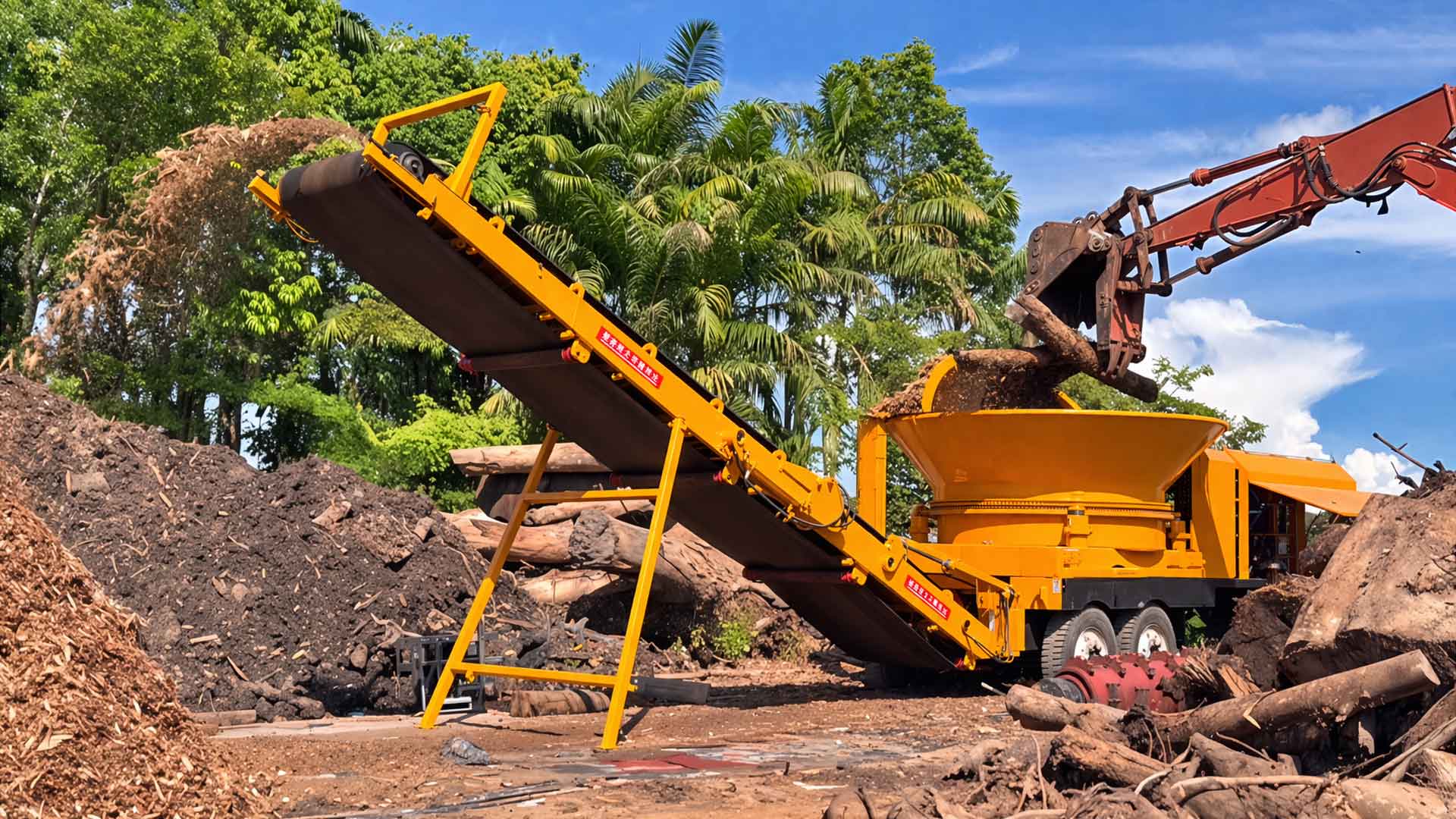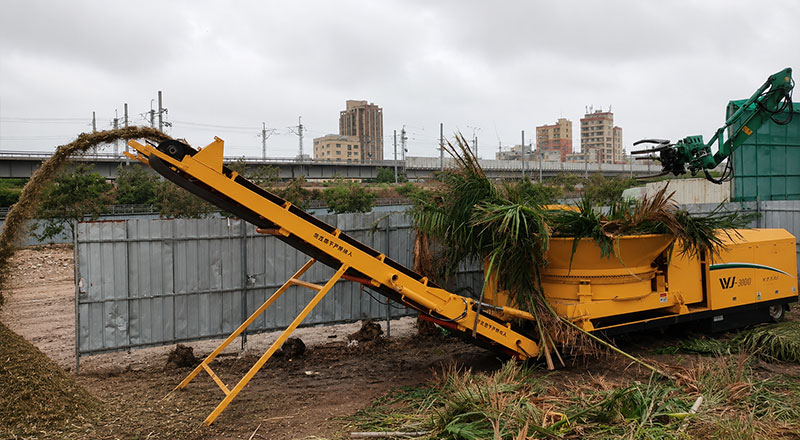
Land-clearing roots affect tub grinder selection through geometry, contamination, moisture, density, and handling variability. The engineering task is to measure those properties by lot and connect them to preparation, loading, wear inspection, output quality, and safe stop rules. For engineers, land-clearing roots feed characteristics for tub grinder selection must be recorded as measured conditions rather than one material label.
This field framework helps engineers build a representative material file. It does not define machine capacity or authorize grinding contaminated roots. The installed manual, approved configuration, site risk assessment, and local requirements control acceptance and operation.
Map the feed characteristics before selecting equipment
| Characteristic | Why it matters | How to document it |
|---|---|---|
| Root-ball geometry | Changes loader presentation and the chance of bridging | Typical and maximum dimensions; attached trunk length; photographs with scale |
| Soil and stone retention | Raises contamination, wear, and downstream ash risk | Sample several faces and pile depths; record storage surface and cleaning |
| Metal and unknown objects | May require quarantine and triggered inspection | Source history, visual inspection, separation control, reject log |
| Moisture condition | Changes mass, handling, buildup, and output interpretation | Named sampling method, sample locations, weather and storage time |
| Material mixture | Roots, brush, logs, and demolition wood feed differently | Separate lots or estimate and record the share of each class |
Geometry: measure what the loader must present
Record three dimensions rather than one nominal diameter: maximum width, height, and attached wood length. Photograph irregular projections and cavities. Note whether pieces roll, hook together, or trap smaller debris. A root ball that fits an opening on paper may still be difficult to place predictably.
Compare this record with the existing roots, branches, and green-waste equipment guide. Use it to frame a trial, not to replace the selected supplier’s feed envelope.
Contamination: separate soil risk from metal risk
Soil and stones can be embedded inside a root mass, while wire or hardware can arrive from fencing, landscaping, or unknown clearing history. Give each risk its own observation and action. USDA Forest Service research on air quality and biomass harvesting operations documents how land-clearing material and handling can contribute to high ash in delivered biomass; this reinforces the need to sample and control contamination rather than assume every ground root is suitable fuel.
Define quarantine authority before production. When an unknown object enters or an abnormal response occurs, stop according to the site procedure, preserve the lot identity, and conduct the required inspection before restart.
Moisture and density: avoid false throughput comparisons
Wet soil adds mass without adding usable wood. Loose brush and dense root balls also produce very different volume-to-mass relationships. Report both material condition and measurement method. If output is compared by mass, identify how soil, rejects, and oversize are treated. If volume is used, take repeat bulk-density samples instead of applying one universal conversion.
For trial reporting, calculate accepted output rate = accepted output mass / total elapsed trial hours. Record productive grinding time separately. This makes loader delays, cleaning, contamination removal, and discharge constraints visible.
Build preparation into the process boundary
- Receive and identify the load.
- Separate merchantable logs and incompatible long material.
- Shake, spread, or clean roots only with an approved method.
- Cut oversize pieces where the project procedure permits.
- Quarantine suspect metal, stones, or unknown waste.
- Create an inspected feed queue on a controlled surface.
- Retain rejected material and preparation time in the project record.
The tub grinder product section shows available equipment context, but preprocessing and loader requirements must be agreed for the final configuration.
Observe a controlled trial by lot
Use stable, conservative loader charges and approved observation positions. Record charge clearing time, bridging, control indications, abnormal sound or vibration, discharge consistency, stops, and the condition of accepted output. Change only one major variable between comparison runs where practical.
Do not reach into feed or discharge areas or remove guards during an operating test. OSHA’s hazardous-energy standard covers servicing and maintenance where unexpected energization or stored energy could cause injury. The machine-specific procedure and applicable local rules remain controlling.
Connect feed condition to inspection triggers
- Heavy soil or stone entry: quarantine the lot and inspect as required.
- Suspected metal: stop, preserve evidence, and follow the contamination response.
- Repeated bridging: review geometry, charge presentation, and preparation before changing settings.
- Abnormal vibration, heat indication, smoke, odor, or noise: use the emergency or shutdown process.
- Unexpected output contamination: trace back to lot, storage surface, and loader route.
Use the site’s feedstock contamination check to standardize lot, photo, reject, and release records. Wear or damage limits must come from approved service information, not from a generic photograph.
Engineering handoff record
- Source and intended downstream outlet.
- Root dimensions, mixture, moisture method, and contamination observations.
- Preparation method, loader, attachment, and staging surface.
- Machine identity, screen, tools, wear condition, and control settings.
- Run timing, accepted output, rejects, oversize, and delay codes.
- Triggered inspections, corrective actions, and restart authorization.
Check repeatability before approving the feed
Compare at least three identified trial lots and report each result, the average, and the range. If one lot contains clean woody roots and another contains wet soil-bearing root balls, keep them separate instead of hiding the difference in one average. Review whether loader presentation, clearing behavior, contamination stops, accepted output, and inspection findings repeat under comparable settings. A single peak result is weak engineering evidence. Approval should state the tested feed class, preparation method, machine configuration, output requirement, and conditions that trigger a new review.
Send the completed material record and trial requirements through the engineering contact page. The same evidence can support a commercial comparison using the WDMachines guide to selecting a tub grinder for land-clearing roots after that page is available.