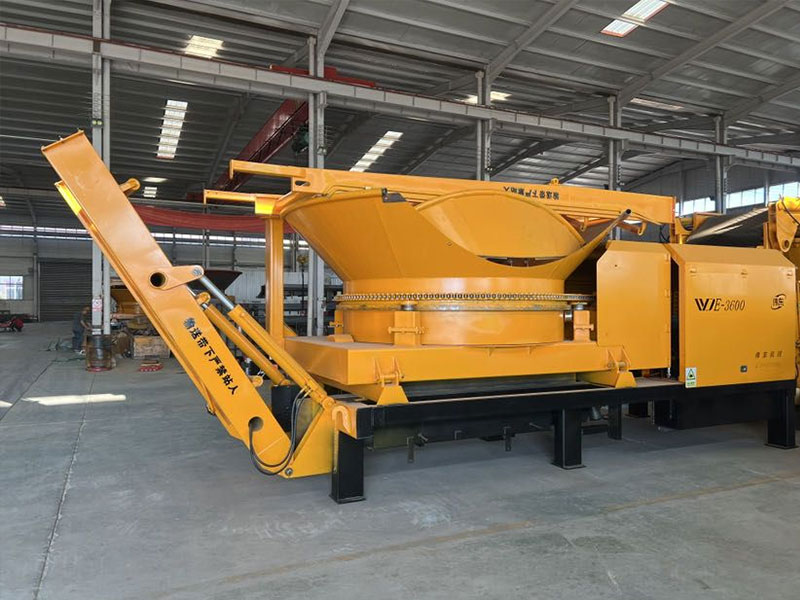
Tub grinder wear parts cost per ton for green waste: track each component by identity, installed condition, measured change limit, purchase cost and accepted output produced during its usable service interval.
Wear cost is not a fixed number attached to green waste. Soil, stones, metal, branch geometry, moisture, preparation, screen, operating method and component condition can change both service life and accepted yield. A traceable ledger makes the result comparable without promising universal life.
Create a component register
Record component name, part number, supplier, batch, installed date, initial condition, inspection points, permitted change limit, removal reason and disposition. Never compare unlike materials or designs under one generic hammer row.
Attach a material exposure record
Link every service interval to identified feed lots, contamination events, preparation and configuration. The green-waste lot sheet helps preserve the exposure boundary.
Count accepted output during the interval
Use verified scale or documented volume records and the same outlet rule. Exclude rejected and recirculated output until it is accepted. The controlled throughput protocol explains the gross-time and sampling record.
Calculate the complete wear event
Include purchased component cost, freight and tax basis, approved change consumables, planned labour, inspection and documented downtime. Keep tools and reusable inventory separate. Do not assign a cost to missing records without labeling the estimate.
Review contamination controls before blaming wear
Record receiving inspection, source separation, prohibited material and incident response. Review the tub grinder section for configuration context and send the ledger through engineering contact. The buyer budget framework shows where this ledger enters total cost.
Use a cost model with auditable units
Choose one reporting basis before comparing scenarios: cost per accepted tonne, cost per accepted cubic measure, cost per operating hour, or total project cost over a defined period. Accepted output must meet the written destination and sampling rule. Record incoming material, contamination rejects, preparation losses, oversize, recirculation and accepted product so that gross input is not mistaken for saleable output.
Use unit processing cost = total defined-period cost / accepted output. The numerator may include only the categories approved for the decision, but every exclusion must be visible. Keep capital recovery, finance, freight, unloading, commissioning, loaders, labour, fuel or electricity, wear parts, planned service, downtime, output handling, testing, disposal and administration in separate rows. Mixing them into one unexplained rate prevents a useful comparison.
Separate observations, quotations and assumptions
For every value record source, date, currency, tax treatment, unit, valid operating boundary, owner and review trigger. Use supplier quotations for equipment and parts, current local rates for labour, energy, transport and disposal, and measured site data for productive time, gross time, accepted output and rejects. Label estimates and ranges. This article supplies a method, not a universal price or return.
Build low, expected and difficult cases. Change one major variable at a time where practical: source mix, woody-to-leafy ratio, moisture, contamination, preparation, screen, wear condition, loader cycle, relocation, outlet rule or product value. Report sensitivity rather than hiding uncertainty inside a precise total. A scenario should show which variable changes the decision and which evidence would narrow the range.
Create a monthly evidence pack
Close each reporting period with a reconciliation sheet. Match incoming tickets to identified lots, operating records to machine and loader hours, parts issues to work orders, energy invoices to the chosen allocation method, and product tickets to the accepted-output rule. Explain missing tickets, mixed loads, inventory changes and timing differences. Do not force the physical and financial records to agree by inserting an undocumented balancing figure.
Keep a forecast column separate from actual results. For the forecast, state planned hours, expected material mix, accepted yield, parts consumption, energy basis and outlet demand. For actuals, preserve the measured values and variance explanation. A recurring variance may indicate a changed feed stream, unreliable measurement, inadequate preparation, a work-cell constraint or an outdated commercial assumption. Assign an owner and due date to investigate it.
When comparing suppliers or operating methods, use the same period, currency date, tax treatment, depreciation or recovery method, labour boundary, output specification and contingency logic. If one quotation includes commissioning, initial spares or technician travel and another does not, normalize the scope in visible rows. Never turn an exclusion into an apparent saving.
Measure downtime and constraint cost correctly
Record planned and unplanned time with understandable codes: inspection, routine service, wear change, waiting for prepared feed, loader unavailable, contamination response, blocked discharge, pile change, sampling, weather, transport, output rejection and other documented causes. A delay is not automatically a machine fault, but it still affects gross project cost when it falls inside the defined operating window.
A larger grinder does not correct an empty feed queue, undersized loader, full output pile, unavailable truck or rejected product. Cost the complete work cell and identify its controlling constraint before changing machine size. Re-run the model after any change in material, preparation, configuration, loader, layout, operating method, parts price, support scope or destination specification.
Protect safety and maintenance boundaries
Never reduce inspection, guarding, training or hazardous-energy controls to improve a spreadsheet result. Clearing, internal inspection and service must follow the exact machine procedure and applicable law. OSHA’s control of hazardous energy standard is a general reference where unexpected startup or stored energy can injure people. Use the applicable local rules and manufacturer documentation for the task.
Ask operations, maintenance, safety, product quality and purchasing to review the rows they understand. Retain source quotations, scale tickets, time sheets, maintenance records, photographs and sample results with the model revision. Unresolved evidence belongs in an open-items register, not in a confident ROI claim.
Wear-cost ledger output
Report component cost per accepted unit as a range with material, configuration and inspection boundaries. Preserve raw records and repeat after a significant source, screen, preparation or operating change. A defensible number is traceable to both the part and the product it helped make.