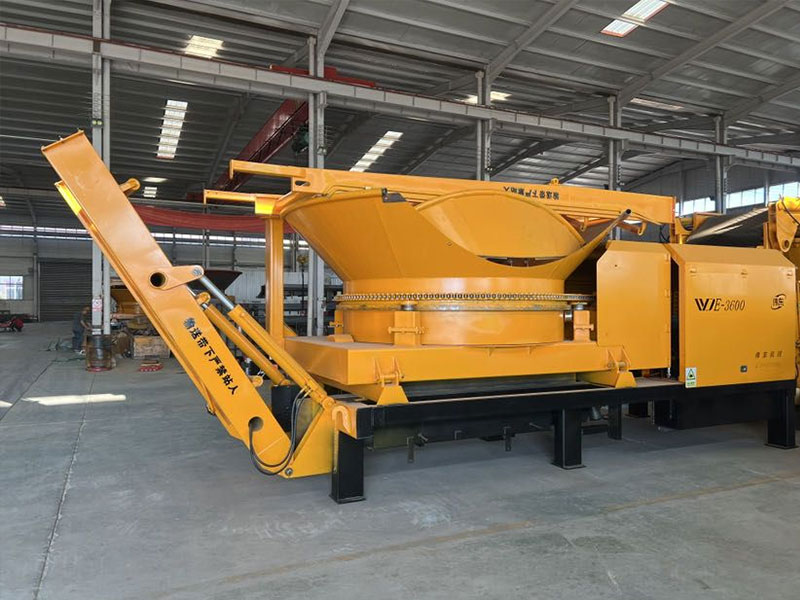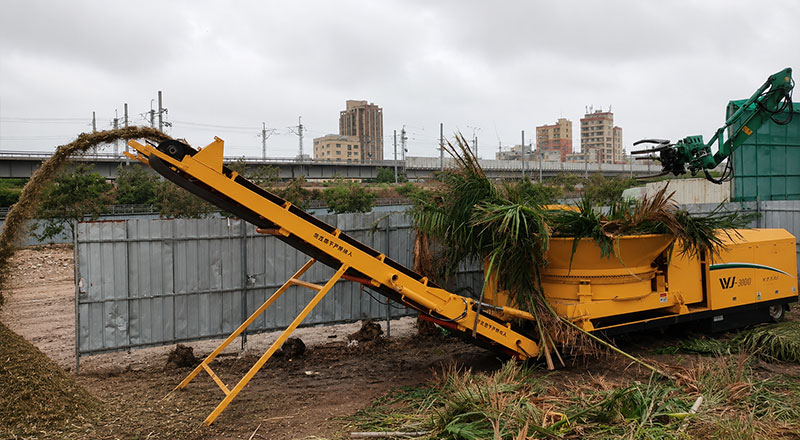
Tub grinder wear parts cost per ton for orchard prunings must be derived from identified parts expenditure and a consistently measured output quantity. A parts invoice alone cannot establish a material-specific cost. Link replacement records to the configuration, duty and accepted production, while keeping exceptional damage and unrelated repairs separate from routine consumable allocation.
Define the cost category first
Agree which components belong in the wear-parts category for the selected configuration. Hammer components, cutting elements or screens may appear in a proposal, but their applicability and replacement criteria must be confirmed from the actual machine documentation. Do not assume that different grinder arrangements use identical parts or that every replaced component is a routine consumable.
State whether the calculation includes only purchased components or also freight, installation labor and associated downtime. Both accounting boundaries can be useful if clearly named. Mixing a parts-only figure from one job with an installed-maintenance figure from another gives a misleading comparison even when both use the label cost per tonne.
Build an installation and removal record
Record component identification, quantity, configuration reference, installation date and removal date. Retain the supplier invoice or internal stores allocation supporting the expense. Identify why the component was removed: its documented wear criterion, an authorized configuration change, a confirmed exceptional event or another recorded reason. Do not classify every early replacement as poor wear life.
The orchard feed-characteristics guide helps organize the material context. For costing, keep source lots, preparation and known contamination events traceable to the period being reviewed. A replacement record without its operating context cannot establish a reliable orchard-specific allowance.
Use a consistent production denominator
Identify how output is measured and whether the accepted quantity is wet mass, dry mass or another agreed basis. Preserve scale records and any relevant sampling method. Do not divide an invoice by estimated incoming branch volume and present the result as accepted-tonne cost. If only volume observations are available, report that limitation instead of inventing a conversion factor.
The orchard throughput and screen-choice guide provides related measurement questions. Count accepted production once when another authorized pass is required. Keep recirculation, rejected material and unresolved quantities visible so a changed acceptance rule does not appear as an unexplained change in component economics.
Prepare a component-period worksheet
| Field | Evidence | Why it matters |
|---|---|---|
| Component and configuration | Part reference and machine record | Prevents unlike parts being treated as equivalent |
| Allocated expenditure | Invoice or stores record with stated inclusions | Makes the numerator auditable |
| Period and duty | Installation dates and identified material lots | Connects expenditure to actual work |
| Accepted output | Agreed measurement and sampling basis | Makes the denominator consistent |
| Removal reason | Authorized inspection and service record | Separates normal wear from exceptional events |
Calculate without claiming a universal wear life
Defined wear-parts cost per accepted tonne equals allocated wear-parts expenditure divided by accepted tonnes on the stated basis. This is an accounting relationship, not a prediction of component life. If the period includes several materials, identify the allocation method and its limitations. Charging all expenditure to orchard prunings merely because they were the last material processed is not a defensible method.
A component still in service at the end of a reporting period also needs careful treatment. A purchase-date cash report and a component-life allocation report answer different questions. Keep them separately named. Do not invent a remaining-life percentage from a photograph or assume that the latest invoice belongs entirely to the output produced that month.
Separate exceptional damage from routine allocation
Document a known contamination or damage event with its batch and authorized inspection record. Keep suspected causes labeled as suspected until reviewed. The financial report can show exceptional expenditure separately while still including it in the complete job-cost picture. Hiding such costs exaggerates operating economics; treating them as normal wear may obscure a receiving or preparation problem.
Only collect inspection evidence through the machine’s approved safe access procedure. Stop, isolate and secure equipment according to its instructions and the site’s authorized controls before maintenance intervention. Do not reach into equipment, remove guarding or continue operating to gather a more convenient wear photograph. The costing worksheet does not authorize a different inspection method.
Compare matched duties, not isolated invoices
When reviewing two periods, check configuration, preparation, output rule, measurement basis and expenditure inclusions. An illustrative period processing clean prepared branches may not be comparable with one receiving unresolved mixed loads. A difference in calculated cost identifies a question to investigate; it does not prove which component, supplier or material caused that difference.
Retain a note when quotation prices, freight or installation scope change. Request identified replacement components through the tub-grinder configuration section rather than substituting an unverified equivalent. If another processing arrangement is being compared, the horizontal wood grinder resource provides a configuration starting point, not an interchangeable wear-cost allowance.
Turn the calculation into a useful service question
Agree who owns the calculation and when it will be reviewed. Preserve both the raw records and the accounting worksheet so a later reviewer can reproduce the result. Where production records are incomplete, report expenditure and missing evidence separately. A blank denominator is more honest than a fabricated tonne figure, and it tells the operating team which measurement needs to be collected on the next representative job.
Send component references, invoices, duty records, accepted-output basis and removal observations through the engineering contact. Ask which information is missing and whether the recorded replacement basis suits that configuration. Review the allowance after representative orchard work, keeping the original assumptions visible. A defensible wear-parts cost helps purchasing and receiving teams improve decisions without inventing a guaranteed service life or cost per tonne.