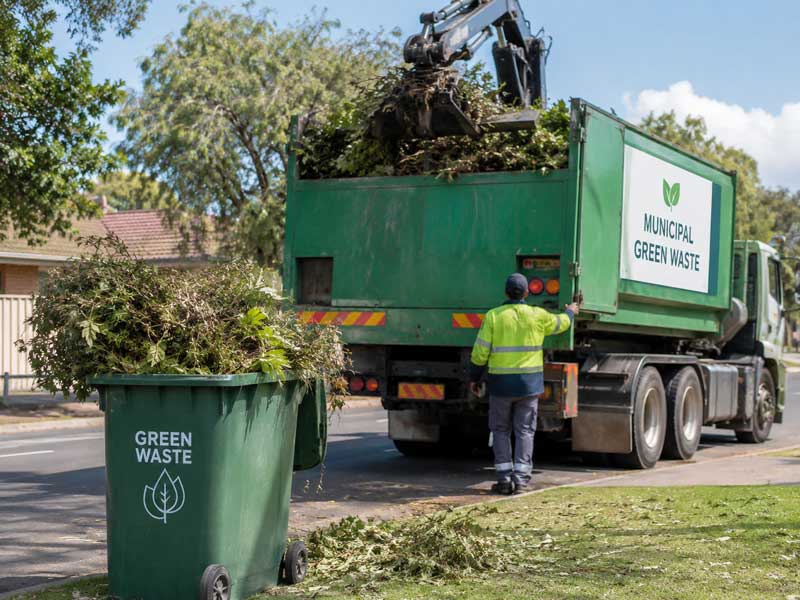
A storm debris tub grinder throughput test should distinguish the effects of feed geometry, measured moisture, and the installed screen instead of attributing every rate change to one component. Use released, reviewed woody feed and an authorized test plan. Compare identifiable runs with documented conditions, and retain unfavorable or interrupted observations. A selected clean load cannot establish performance for an unsorted storm cleanup stream.
Decide which question each run can answer
Write a specific engineering question before arranging a demonstration. Are you comparing two approved screen configurations on sufficiently comparable feed? Are you observing how a particular material fraction behaves under one reviewed configuration? Or are you assessing a whole site operation whose loader, preparation, and dispatch conditions vary? These questions require different interpretations.
A controlled comparison seeks to limit unrelated changes. An observational run describes what happened under recorded conditions without proving the cause. Both can inform a review, but the report must label them correctly. Do not present an observational difference as a measured screen effect simply because the screen identification is the easiest field to record.
Describe geometry beyond the longest branch
Record the material fractions and representative shapes: branching wood, trunk sections, leafy bundles, and root-bearing pieces can present different handling behavior. Note outliers and preparation already performed. A single maximum length or diameter cannot describe the whole lot, and irregular roots may contain conditions not captured by nominal dimensions.
Keep unknown and incompatible material outside the reviewed test stream. Removing a questionable object does not establish that the remainder has been assessed. Material release and hazard response remain the responsibilities of the authorized site team. This note does not instruct operators to feed oversize pieces, defeat safeguards, or clear a blockage while equipment is operating.
Measure moisture on a stated basis
Weather history and visual wetness are useful context, not moisture measurements. If moisture is assessed, record the sampling method, timing, measurement procedure, and reporting basis. Results expressed on different bases cannot be compared directly without an explained conversion. A reading from one convenient fragment should not be reported as the moisture of an entire mixed woody lot.
Moisture can affect both material behavior and the mass denominator in a reported throughput result. A heavier wet lot does not automatically represent more useful dry wood processed. Where dry-matter comparison is justified by representative measurement, describe that calculation and its limitations. Otherwise retain the observed quantity basis without claiming a precise dry-output rate.
Identify the screen and the rest of the configuration
Record the installed screen identification and the reviewed machine configuration. Do not reduce the record to a nominal opening number while ignoring screen condition, rotor arrangement, authorized operating settings, and wear observations. A smaller opening may change material residence and the observed output distribution, but it does not guarantee one particle size or a universal throughput reduction.
Only authorized personnel should inspect or change components under applicable shutdown and isolation procedures. Retain the configuration change record. Use the feed, moisture, and screen comparison note for prunings as methodological context, not as a transferable storm-debris performance result.
Build a run matrix before collecting numbers
| Comparison field | Record for every run | Interpretation check |
|---|---|---|
| Feed lot | Source, material fractions, geometry observations and preparation | Has the feed changed enough to confound the comparison? |
| Moisture | Method, sample coverage, timing and reporting basis | Are values measured and comparable? |
| Configuration | Machine record, screen identification and authorized changes | Was more than one configuration factor changed? |
| Quantity and time | Measurement basis, processing window and elapsed window | Does every reported rate use the same denominator? |
| Interruption | Timestamp, observed symptom and responsible response | Was a site delay incorrectly attributed to the grinder? |
| Output assessment | Representative sample and applicable receiver specification | Does the faster run still produce acceptable material? |
Keep site delays visible without blaming the machine
Loader unavailability, missing released feed, or output dispatch delay can reduce elapsed-window throughput even when no processing fault is observed. Record those categories separately from authorized inspections and machine-related interruptions. Do not remove every delay to create an impressive result, and do not combine all waiting time into a claim about screen performance.
Use both processing-time and elapsed-time results where supported, naming each denominator explicitly. The former concerns observed processing periods; the latter concerns the larger tested operation. If the observation periods differ materially between configurations, explain the difference before comparing averages. Retain quantity measurement uncertainty beside the rate.
Check wear observations and repeated runs
Record relevant authorized inspection findings before and after the comparison. A change in component condition can matter to interpretation, but visible wear alone does not establish a service-life figure. The inspection-record approach helps organize evidence; its material context does not prescribe intervals for storm-derived feed.
Repeat comparable observations when the reviewed plan requires them. Do not select only the fastest interval or suppress a stopped run. If repeated results differ, first review lot composition, preparation, timing, and configuration records. The correct finding may be insufficient comparability rather than a precise causal conclusion. State what additional observation could resolve the uncertainty.
Output quality belongs beside throughput
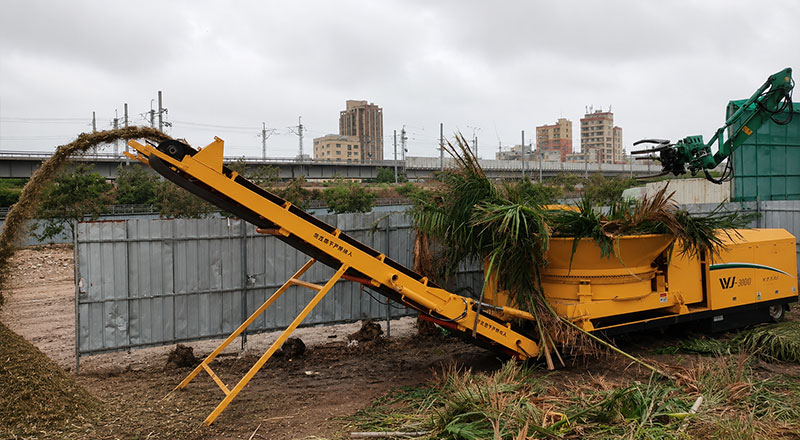
Pair the run record with the receiver’s output assessment. The storm-debris output acceptance worksheet explains why oversize, foreign fines, and unresolved product status must stay visible. A faster run that does not meet the agreed destination requirement may not answer the project’s production question.
Send a proposed comparison for engineering review
Review tub grinder configurations against the documented feed and output scope. If an alternative equipment route should be assessed, the horizontal wood grinder resource is a starting point, not evidence of equivalent test performance.
Send engineering support the proposed question, run matrix, lot evidence, moisture method, configuration record, quantity basis, and output requirement. Ask which variables can be controlled and what conclusions the proposed comparison can support. A defensible report acknowledges confounding conditions instead of converting one demonstration into a general capacity promise.