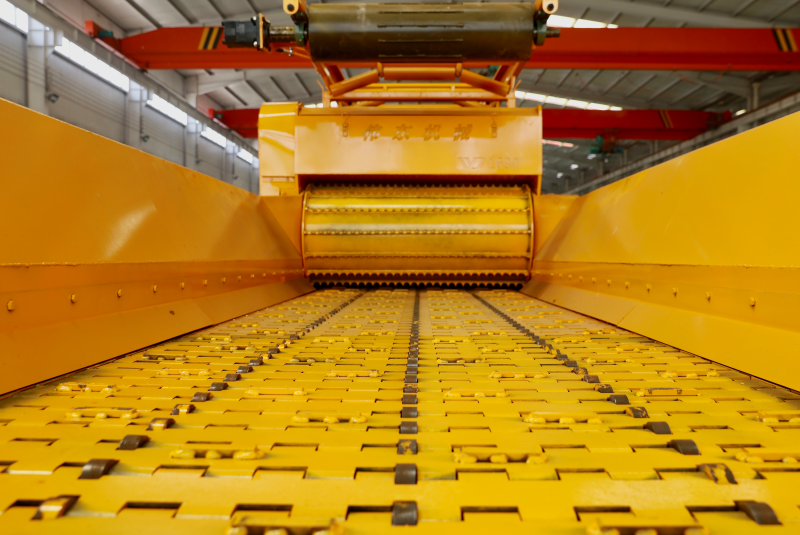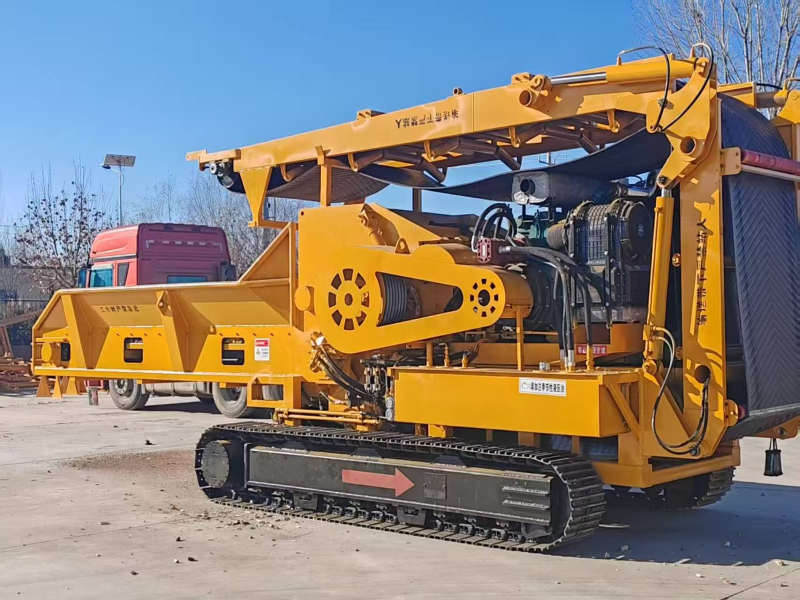
Feed size, moisture and screen choice can change tub grinder throughput when the duty is preparing a clean woody ingredient for an organic fertilizer project. None of these variables has a universal effect that can be reduced to one catalogue number. A representative trial must record what entered the machine, how it was presented, which configuration was used, what the receiver accepted and how much complete operating time the route consumed.
This is an engineering test plan, not a claim that a grinder makes finished fertilizer. Composting performance, sanitation, maturity and final product approval need separate evidence. The test below concerns the mechanical preparation of an approved woody bulking fraction only. It should be reviewed against the selected machine’s manual and the site’s safety procedures before anyone runs equipment.
Define one feed envelope
Start with an inventory of the eligible wood. Describe branch diameter range, length, forks, flexible twigs, leaves, bark, fine material and visible soil. Record where every lot came from and how it was stored. Keep unknown treated wood, stones, metal and mixed organic waste outside the grinder trial unless the responsible team has separately approved a safe route. A mixed pile does not become a valid test lot merely because its total mass is known.
Use the organic fertilizer feed-characteristics guide to prepare a source sheet. Add lot identifiers and photographs with a scale. The reader should be able to see whether a later result came from straight dry branches, leafy pruning material or another approved stream. A change in feed composition between runs can be mistaken for a screen effect unless the lots are documented.
Measure feed size before the first pass
Do not report only an average branch diameter. Oversized forks, long pieces and short dense sections can create different handling demands even if their total weight is similar. Use a repeatable sample: note representative minimum and maximum dimensions, the proportion that needs trimming, and the number of loader presentations required for each weighed lot. If a piece exceeds the manufacturer’s permitted geometry, remove it from the trial and record why.
Preparation work belongs in the production boundary. Time sorting and trimming separately from machine running. If preparing a difficult lot doubles the loader effort, a larger grinder alone may not improve accepted output per shift. Capture a photograph or drawing of the feed orientation and the loader’s approach so another team can reproduce the presentation method safely.
Record moisture as a condition, not a slogan
Moisture can influence handling, discharge and the receiving process, but its effect depends on the wood type, leafy fraction, fines, screen and storage. Use a stated method to sample moisture or, where no instrument is available, label the observation qualitative and state its limitation. Keep material sampled at the same point in the handling route. A pile may have different conditions at the wet exterior and sheltered interior.
Compare lots under similar machine settings before attributing a throughput change to moisture. Note weather, storage time, visible clumping, loader behavior and any change in discharge. Do not assume that dry always means faster or wet always means unacceptable. The compost operator may also have a separate moisture and blend rule that the grinder test cannot decide.
Compare screens one variable at a time
Document the screen or other size-control configuration with an identifier and its permitted installation method. Use a manufacturer-approved procedure for inspection or replacement. Stop, isolate all energy and verify the safe state before any internal work. Do not change a screen to overcome a feed or discharge problem without diagnosing the cause.
For a comparison, run comparable labeled feed lots with the same loader, operator roles and receiving method. Record screen choice, wear condition, active machine time, gross elapsed time, interruptions and the output distribution. A smaller opening may change recirculation, fines and accepted output, but the direction and size of the change must come from observed evidence for this material. The screen opening is a setting; it is not proof that every discharged piece meets the receiving specification.
Separate machine rate from accepted-output rate
Weigh or consistently estimate new feed entering each run. Keep reprocessed material in a separate column to avoid counting it twice. Record first-pass output, oversize, contamination rejects and the quantity accepted by the compost process owner as the intended woody ingredient. Calculate active machine rate and full-window site rate from the same accepted quantity. Include loader gaps, cleaning, inspection and discharge delays in the latter denominator.
These two rates answer different questions. The active rate can help compare configurations under the trial conditions. The full-window rate is closer to what a project manager can schedule. Neither is a finished fertilizer production rate. The tub grinder equipment overview provides configuration context, while the trial supplies the project-specific evidence needed for a selection decision.
Log interruptions as engineering evidence
Use a short stop code for feed bridging, foreign-object detection, discharge restriction, loader absence, planned checks and other observed events. Note the lot, configuration, operator and authorized action. Do not treat every stop as the same machine fault. A hotter bearing, abnormal vibration, smoke or repeated blockage requires the manual’s stop and investigation procedure, not improvised clearing. Review the inspection-interval method for the discipline of linking observations to the actual feed and operating window.
After a run, examine whether a proposed adjustment addresses the limiting step. If sorting or loader travel dominates, a screen change may have little effect on the site’s accepted output. If discharge handling is the restriction, a larger drive does not remove it. Use the test log to make one justified change at a time and repeat the relevant comparison.
Issue a reproducible trial record
The final sheet should name feed source and dimensions, measured or qualified moisture condition, preparation steps, configuration, screen, wear baseline, loader, operator, time categories, input, rejects, oversize, accepted output and receiver decision. Attach sample identifiers and photographs. State unresolved uncertainty rather than converting a small trial into a universal capacity claim.
A horizontal wood grinder may be a useful comparison when the material geometry and feeding arrangement warrant another category. Apply the same lot definition, acceptance rule and full-window measurement to both machines. Send the documented duty through the engineering contact page for a configuration review. The decision should be traceable from actual woody feed to accepted ingredient, with every change in feed, moisture or screen identified.