Tub grinder inspection intervals for sawmill waste should start with the instructions for the actual machine and its components. A generic schedule cannot account for the configuration, residual stream, operating exposure and findings at a particular mill. The practical task is to turn those requirements into a traceable inspection register without replacing them with an unsupported rule such as inspect everything after a fixed number of loads.
This note is for a maintenance planner reviewing the schedule for bark, slabs and related mill residuals. It explains what evidence belongs behind an interval and how to review changes. It supplies no universal service hours, torque values or acceptable wear limits. Inspection access and maintenance work must use the approved equipment and hazardous-energy-control procedures.
Identify the source of every scheduled task
Record the machine configuration, relevant component documentation and current instruction versions. For each task, identify whether its timing comes from a stated equipment requirement, an approved site procedure or a condition-triggered action. Do not allow an informal habit to appear in the register as a manufacturer requirement.
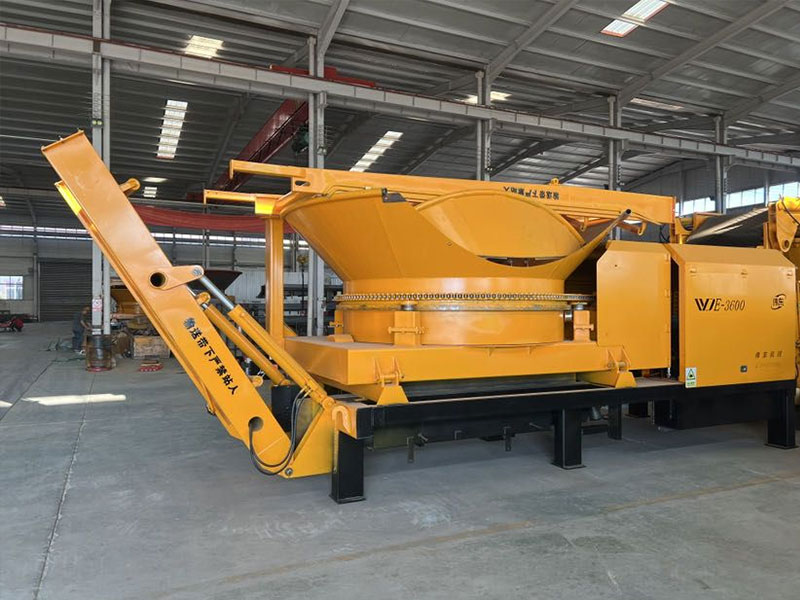
The tub grinder equipment page can support configuration enquiries. Obtain the actual inspection and service documents for the proposed or installed unit. Product-category information does not establish which access points, component limits or procedures apply to that unit.
Separate observation from physical inspection
Some operating observations can be made only through the approved operating arrangement. Other checks require access to components and therefore a different procedure. Define the task precisely so that the word inspection does not conceal an unsafe transition from observing operation to approaching or touching machinery.
A stationary-looking part is not proof that hazardous energy has been controlled. Keep isolation, verification and authorized intervention requirements attached to the relevant task. Where a finding requires maintenance, record the intervention and the approved return-to-service decision separately from the observation that triggered it.
Use a schedule register with purpose and evidence
| Register field | What to record | Why it matters |
|---|---|---|
| Task and component | The specific check and its approved method. | Prevents a vague entry from implying unapproved access. |
| Instruction reference | Source document and current version. | Separates required timing from local assumptions. |
| Interval or trigger | The documented scheduling basis. | Supports a repeatable maintenance plan. |
| Operating exposure | Relevant hours, batches or measured feed quantities. | Gives findings a meaningful denominator. |
| Finding and disposition | Condition, responsible assessor and action. | Connects inspection to an authorized decision. |
| Revision record | Reason, evidence and approval for a change. | Prevents quiet extension of a required interval. |
Choose exposure records that the site can maintain consistently. Mark estimates rather than treating them as measured operating history. A detailed register with inconsistent denominators can be less useful than a simple one whose data boundaries are understood.
Describe the mill residual stream beside the findings
Record whether the material is bark, slabs, offcuts or a changing mixture, along with preparation and acceptance status. Note a source change or a relevant foreign-material event. Similar operating hours can represent different exposure when the feed and preparation differ.
The sawmill feed-characteristics review helps define that description. Do not diagnose a wear mechanism from source labels alone. Use the actual condition findings and qualified assessment to determine what the records support.
Define change-triggered reviews without inventing diagnoses
An abnormal condition, material change or authorized intervention may require a review under the approved procedures. Record the trigger and who evaluates it. Do not assume that every increase in interruptions means the same component has worn out.
The feeding-control handoff distinguishes material hold decisions from operating and maintenance actions. Preserve those distinctions in the inspection record, particularly when an upstream preparation issue can explain an interruption without establishing a machinery fault.
Review the interval using a comparable record series
Compare findings on the same task using the same method and exposure basis. Identify missing checks and changed operating conditions before drawing a trend. A run of satisfactory observations does not automatically authorize extending a specified interval, and a single finding does not justify inventing a new universal limit.
If the records suggest the plan needs revision, use the authorized review process and consult the relevant equipment or component requirements. Keep the old schedule, the evidence and the approved decision. The revision should explain what changed and what must be watched under the new arrangement.
Keep inspection evidence separate from cost estimates
Condition findings can inform parts planning and downtime allowances, but they are not themselves a cost per ton. Link a replacement record to its reason, installed component and exposure period. Avoid assuming that purchasing a spare means it was consumed during the same period.
The sawmill wear-part costing guide addresses that financial boundary. If a horizontal wood grinder is being compared, obtain its own inspection requirements instead of transplanting this machine’s schedule.
Release a usable maintenance handoff
Give the responsible team the current register, required procedures, due tasks, unresolved findings and revision history. Confirm that an incomplete check has not been marked satisfactory merely because the next operating batch is scheduled. Maintain a clear owner for follow-up and any required return-to-service decision.
Use the service and application contact to request configuration-specific documentation or discuss unresolved requirements. A defensible inspection interval can be traced to instructions and comparable condition evidence. That is more reliable than a generic calendar that ignores how the mill’s residual stream and operating exposure actually change.