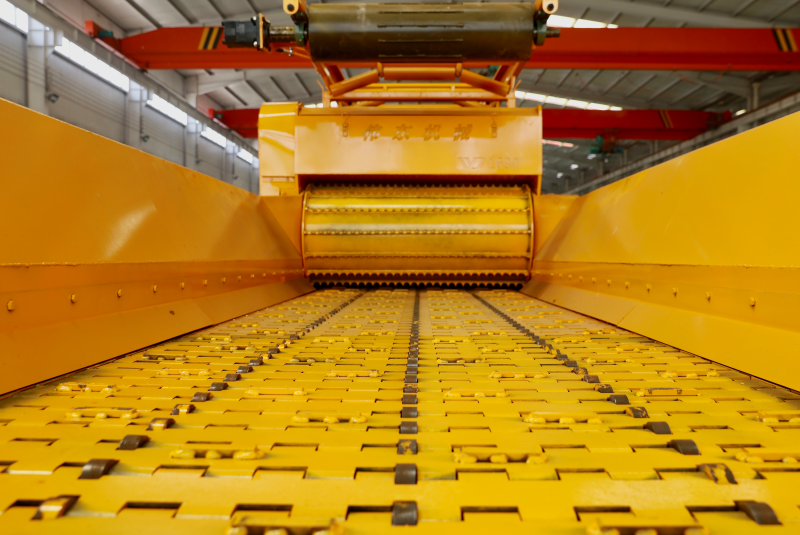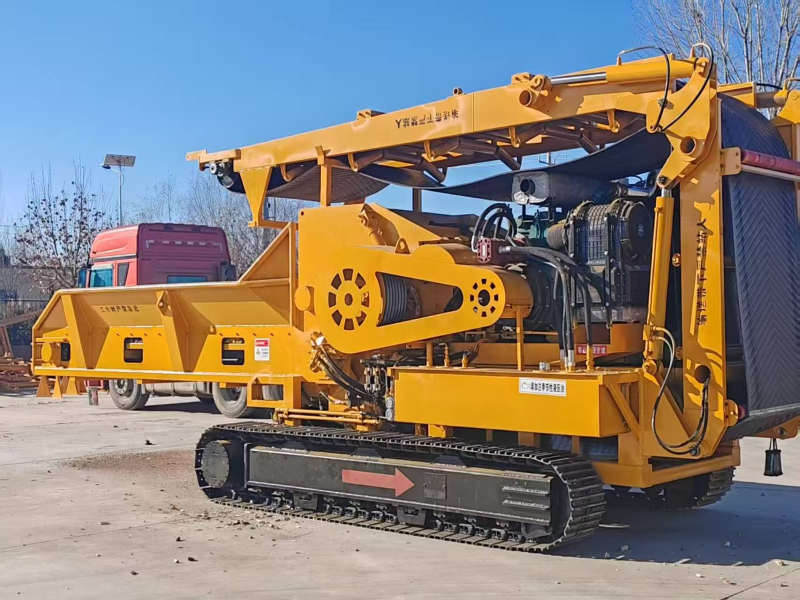
Logging slash grinder wear cost per ton is a site measurement, not a universal machine specification. Branchy feed, dirt, screen selection and operator practice affect the replacement of teeth, screens and other working parts. A useful estimate records each part actually consumed, the hours that produced the wear and the quantity of product accepted by the receiver. This field method gives maintenance teams a repeatable ledger for a horizontal grinder without inventing a fixed service interval.
Choose the denominator first
Decide whether the project will report wear cost per tonne of eligible feed, processed feed or receiver-accepted product. Show all three quantities if available. Accepted output is usually the most useful commercial denominator because rejected fines, contamination and regrind still consume parts. State whether mass is wet or dry and identify the scale or measurement method. Never convert loose slash pile volume to tonnes using an undocumented constant. The logging slash throughput trial guide describes how to record feed and accepted output on a consistent basis.
Set up a component ledger
Create one line for each replaceable wear item: tooth or tip, holder, hammer where fitted, screen, liner and conveyor wear component. Record part number, installed position, installation date, machine-hour reading and purchase price or internal charge basis. State whether the price includes freight and taxes. Photograph the part before removal and log the actual reason: ordinary wear, fracture, foreign-object damage, loss or preventive replacement. Do not average all failures together. A broken holder after a metal strike is a different risk from gradual abrasive wear.
Record feed condition by shift
For each production shift, note the source landing, approximate slash mix, fresh or dried condition, soil contact, visible grit and any rejected contaminants. Operators need a practical form, not a laboratory project. A simple material code plus photographs is enough to identify a shift that differs from the usual feed. Do not hide mixed soil-bearing roots in a generic forestry residue label. If screen settings, rotor components or loading procedure change, begin a new comparison interval so wear causes are not blended. The feed-characteristics worksheet can be adapted to record the incoming material consistently.
Count productive and nonproductive time
Read the hour meter at the start and end of the interval, then separately log idle, cleaning, inspection and repair time. Some parts wear mainly while material is moving; others may suffer during repeated clearing or accidental contact. Report both wear cost per operating hour and per accepted tonne. A high hourly part cost may still be economical when the line delivers more acceptable product, while a low hourly cost can mask slow output. Keep labor for installation and lost production as separate lines so component purchase cost remains visible.
Inspect with the machine safely isolated
Follow the machine manual and site lockout procedure before any inspection, clearing or adjustment. Record tooth profile, looseness, uneven position wear, screen damage and conveyor condition at a consistent interval approved by the manufacturer. A shift-end visual check can flag a problem, but it does not replace the formal service schedule. Use the same photo positions and inspection notes each time. If one side wears faster, investigate feed presentation, foreign material and alignment under the manufacturer’s procedure rather than simply replacing every part at an assumed interval.
Calculate the part-cost figure
For a defined trial period, add the cost of parts consumed during that period, adjusted for any components that were installed before the period and still had usable life at its end. Divide by accepted product mass on the same dates. If useful life cannot yet be measured, publish a provisional range and explain it. Keep exceptional damage as a separate scenario: one metal strike can distort a short trial average. The calculation should show its units and source records. Do not quote a cost per ton without the feed condition, screen setting and accepted-output definition.
Test the main cost drivers
Compare clean slash with soil-bearing slash only when the same machine, part type, inspection rule and output basis are used. A tighter screen may alter recirculation and working hours; assess the actual output requirement before changing it. Record tooth geometry and material grade only as specified by the manufacturer; an apparently cheaper replacement part may change downtime or output quality. The controlled throughput protocol illustrates why one variable should be changed at a time. Supplier claims should be checked with a representative feed trial.
Turn the ledger into a purchasing question
Send the machine supplier the slash photos, contamination description, output specification, proposed working hours and component ledger. Ask which wear parts, holders and screens match that exact configuration, what inspection procedure is required and what spares should be held on site. Confirm lead times and prices in a current written quote; this article does not supply them. The horizontal grinder product page provides equipment context, but the parts list must come from the machine serial and configuration. A horizontal wood grinder overview can help the purchasing team understand the broader equipment family.
Review the result after each campaign
At the end of a landing campaign, reconcile installed and removed parts, physical stock, invoices, machine hours and accepted tonnes. Explain outliers before updating the next budget. If metal damage is recurring, improve source inspection rather than treating it as ordinary wear. If output is weak, examine feed presentation and screen choice alongside the part ledger. Send the documented feed and wear questions through the engineering contact page for a configuration review. A credible wear estimate is a dated record of this material and this operating method, with uncertainty made visible.