Tub grinder wear-part cost for woody compost feed should be measured against the approved ingredient actually delivered to the receiving process. A monthly invoice divided by gross incoming waste is rarely enough. It hides which components were consumed, whether the same material passed through twice, and whether output was rejected. A defensible cost per accepted ton links part changes and inspections to material lots, machine configuration, operating hours and the receiver’s decision.
The method below applies to clean, eligible woody material prepared for an organic fertilizer project. It does not measure the quality or cost of finished fertilizer. No universal hammer life or replacement price is implied: abrasive soil, foreign objects, feed geometry, screen choice, maintenance practice and output requirements can change the result.
Set the accounting boundary
Decide which costs are being reported. A narrow wear-part line may include consumed hammers or tips, holders, screens and liners. A wider maintenance line may also include fasteners, labor, lifting equipment, stopped time and transport for replacement. Show these as separate columns rather than folding them into a vague rate. State whether taxes, freight and recoverable cores are included.
Use the same time and material boundary for numerator and denominator. If parts were installed before the reporting period and remain in service afterward, an invoice within the month does not equal that month’s consumption. If the grinder processed both approved wood and another feed stream, allocate by a documented method or report the mixed campaign rather than falsely assigning every worn part to the compost project.
Record a starting condition by position
Give each relevant component a part number and a machine position. At the start of the campaign, record installation date, permitted measurement, photographs, fastener condition and the configuration in service. Follow the manufacturer’s inspection and replacement criteria; a visual impression alone should not overrule a specified dimensional or crack limit. Use trained personnel and the approved isolation procedure before any internal inspection.
Link the baseline to the feed envelope. The woody ingredient feed guide describes why branch geometry, leafy content and contamination deserve separate notes. In the wear log, add lot identifiers, sorting decisions and any unusual event. This makes a later change in a particular rotor or screen position explainable.
Log use and abnormal events
For each shift, record productive hours, gross operating hours, eligible new feed, reprocessed output and accepted woody ingredient. Note screen setting, operator, loader and discharge arrangement. Keep foreign material strikes, unexpected vibration, blockage, overheating and damage in a separate incident column. Do not normalize a preventable metal strike into ordinary component consumption.
When a stop occurs, follow the manual and site procedure. Stop feed, isolate energy, verify a safe state and use required mechanical support before access. Record who authorized inspection and what was found. The feed, moisture and screen trial method helps preserve the configuration and lot context needed to interpret wear differences. Changing several settings without a record makes the cost history much less useful.
Measure consumption rather than purchases alone
For parts fully used during the campaign, record the documented purchase and installation cost according to the chosen boundary. For parts still in service, report a provisional consumption estimate only if an approved measurement method supports it. Label it as estimated and keep the uncertainty visible. A simple straight-line allocation by hours may be convenient for accounting, but it should not be presented as a physical wear measurement without evidence.
When a part is removed, keep its identity and reason for removal: normal limit reached, crack, loose fixing, foreign-object damage, configuration change or planned replacement. A failure caused by an abnormal lot should be visible as an incident cost. This distinction helps a project decide whether to spend on a different part, better feed inspection, training or a safer material exclusion rule.
Choose the right output denominator
Use accepted woody ingredient delivered under the receiver’s stated rule. Record first-pass product, oversize, rejects and reprocessed material. The same material should not be counted twice when it goes through another pass. If the receiver rejects a later batch, revise the accepted total and retain the reason. Gross grinder input can still be reported to analyze machine loading, but it answers a different financial question.
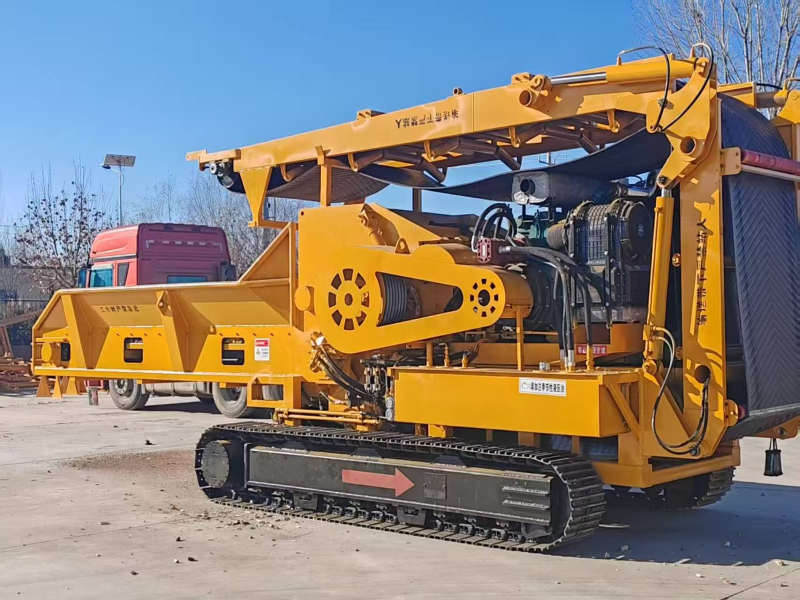
Calculate wear-part consumption value divided by accepted output for each documented feed campaign. If accepted output has not been measured, report the spending and the missing denominator instead of inventing a cost per ton. Make the spreadsheet traceable: invoices and part IDs on one side, lot and receiver records on the other. The tub grinder equipment page provides model context, but the project rate must come from its own records.
Use the result to improve control
Compare campaigns only when feed eligibility, screen, measurement method and output rule are comparable. A lower cost per gross ton can conceal more rejects or a larger fine fraction. Review whether a cost increase follows soil contamination, a change in branch geometry, a different screen or a missed inspection. Test one corrective change at a time and preserve the before-and-after lot evidence.
For purchasing, request a spare-parts schedule and manufacturer-approved inspection method with the proposed configuration. Ask how to identify critical items and what tools, lifting and safe access are required. A horizontal wood grinder may be another equipment option for some wood geometry, but its cost comparison should use the same approved feed, accepted ingredient and accounting boundary.
Send the part-position log, feed photographs, stop codes, output acceptance method and unresolved questions through the engineering contact page. The useful decision is not a universal wear-life promise. It is a record that shows which component was consumed by which duty, how much accepted ingredient was delivered, and what operational change is likely to reduce avoidable cost safely.