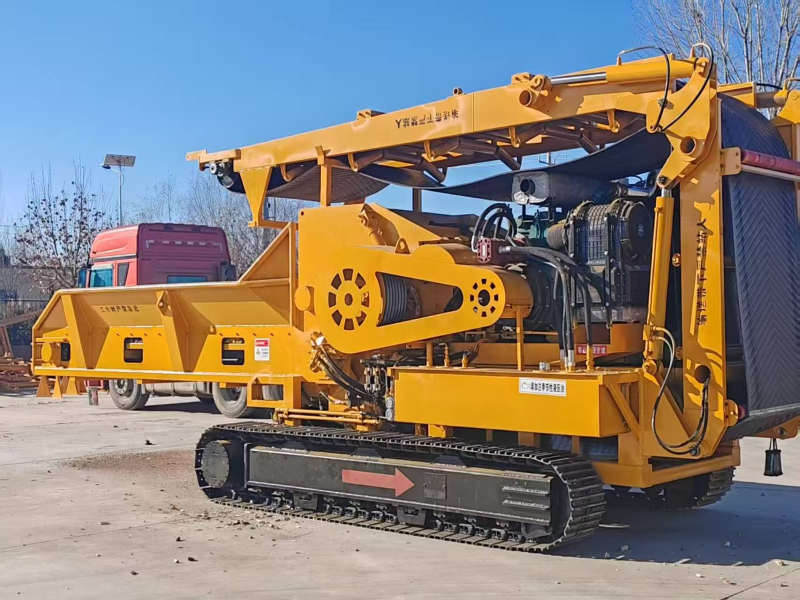
Inspection intervals for tub grinding woody compost feed should start with the selected machine’s manual, then be adjusted within its permitted limits using observed material and component condition. A calendar copied from a different feed stream can miss rapid wear caused by soil or foreign objects, or waste service time when the actual duty is cleaner. The site should preserve the manufacturer’s mandatory checks while using a documented baseline and triggers to decide when extra review is needed.
This article concerns a tub grinder preparing approved clean wood as a structural ingredient for an organic fertilizer project. The machine does not make finished fertilizer. No universal inspection hour, wear-life figure or tolerance is offered here. Trained personnel should follow the exact model’s isolation, access and replacement procedures before internal work.
List the controlling requirements
Collect the operator and maintenance manuals, commissioning records, component specifications and approved service bulletins for the installed configuration. Mark every mandatory pre-start, shift, periodic and condition-based task. Identify which tasks are external observations during safe operation and which require shutdown, isolation, blocking or specialist support. A checklist without this distinction can invite unsafe inspection while equipment is moving.
Assign owners: operator, supervisor, maintenance technician and supplier where appropriate. Record the maximum permitted interval or trigger from the controlling documents and the site-selected review point. The site may add a check after an abnormal event, but should not extend a manual requirement merely because one run appeared trouble-free.
Capture a starting condition
At commissioning or after a complete service, record machine hours, rotor or tool configuration, screen, wear components, conveyor condition, guarding, fasteners, lubrication and permitted measurements by position. Take photographs from approved safe access points. Link the baseline to the feed envelope: clean branch geometry, leafy share, visible soil, moisture observations and excluded contamination.
The woody feed-characteristics guide can supply the lot fields. If the source changes from clean pruning wood to outdoor mixed material, document that change before assuming the old inspection rhythm remains appropriate. Keep the condition record by component position so uneven wear is not lost in a single machine-wide note.
Separate routine checks from event checks
Routine checks should follow the manual and the site’s approved schedule. Event checks should be triggered by abnormal vibration, sound, temperature indication, smoke, impact, foreign-object suspicion, repeated blockage, discharge restriction or an unexpected output change. State the immediate action for each trigger, the person who decides whether to stop, and the evidence to collect. Do not continue running an abnormal condition just to reach the next scheduled interval.
The safe feeding guide describes feed and stop communication. Tie the event log to that workflow. A loader gap, output bay delay and a bearing concern are different conditions; only the latter may call for a machine-condition investigation, while all three affect production records.
Plan safe access and recovery
For internal inspection, stop and isolate all relevant energy under the machine and site procedures. Verify the safe state and support components that could fall or move. Use the prescribed tools and access points. Do not defeat guards or work beneath unsupported hydraulic equipment. Reinstall guards, account for tools and people, and authorize restart only after the correct checks are complete.
Write down what was inspected, not merely that a box was ticked. Include part identity, position, measurement method, finding, limit, action and the next planned review. If the manual specifies a replacement criterion, cite that criterion in the maintenance record. A subjective note such as looks okay cannot replace it.
Review wear by lot and configuration
Compare observations with hours, accepted output and material lots. Keep screen choice, loader presentation and contamination events visible. If wear accelerates after a change in feed, investigate the material and operating conditions before declaring a fixed part-life value. The wear-part cost method explains how to connect component consumption to accepted woody ingredient without hiding abnormal damage.
Do not use cost alone to relax a safety check. A lower inspection frequency can appear economical until a missed loose fastener or restricted conveyor causes a longer stop. Conversely, repeated inspections without any decision rule may consume time while failing to address feed contamination. The purpose of the interval is to detect actionable change early enough under the approved maintenance system.
Test and revise the site schedule
After several representative lots, summarize normal variation, event frequency, measured wear and actions taken. Keep wet and dry seasons or different sources separate when their conditions differ. A qualified reviewer can add checks around a recurring risk, modify a preparation rule or ask the manufacturer about a configuration change. Preserve earlier schedule versions and the evidence that motivated each revision.
Use the tub grinder product information only to identify candidate configurations and service discussions. A horizontal wood grinder may be considered for different approved wood geometry, but its inspection schedule must come from its own equipment and duty; do not transfer intervals by machine category.
Make the handover actionable
At shift change, pass on open defects, quarantined material, last inspection, next due task, temporary restriction and who may release the machine. Do not allow a log entry to substitute for a physical stop when the manual or site procedure requires one. Attach photographs and lot records where they help the next technician see a trend.
Send the model, component positions, feed description and recurring findings through the engineering contact page for a configuration-specific review. A defensible interval can be traced to the manual, measured baseline, material history and authorized response. That record protects both safe operation and the reliability of accepted woody ingredient supply.