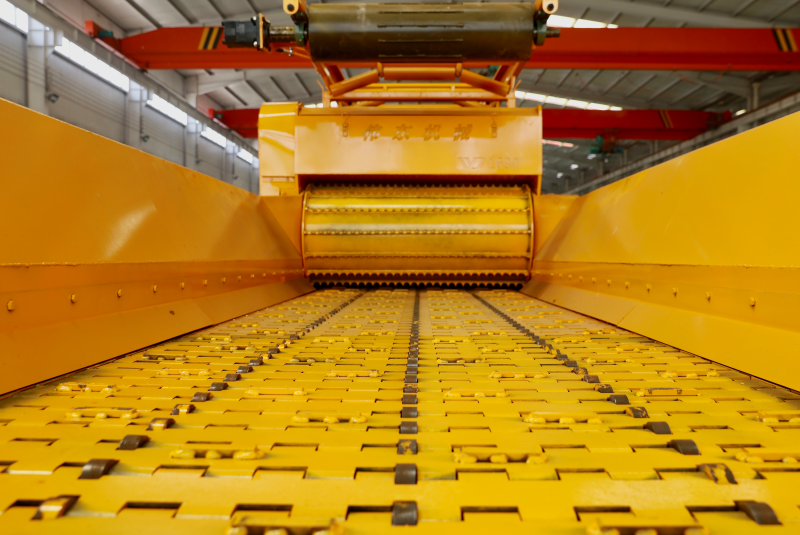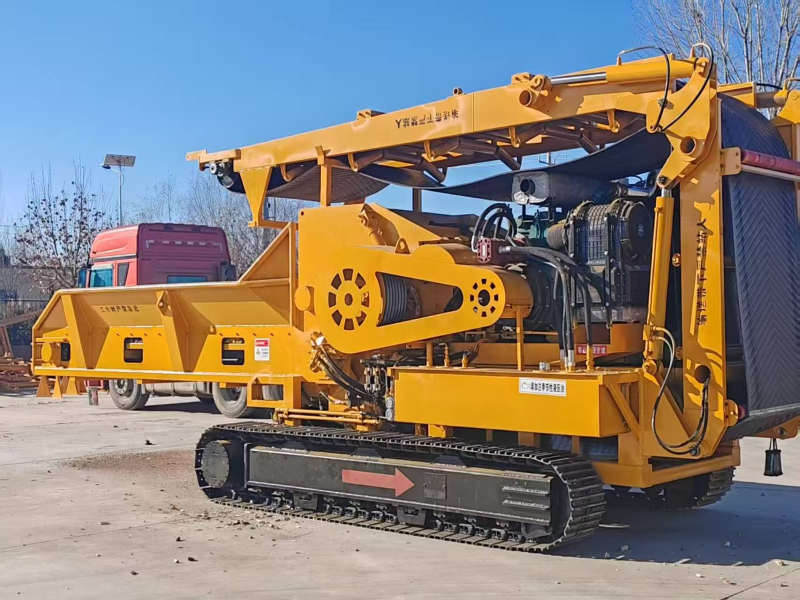
Safe feeding and contamination control for woody compost feed begin before a loader lifts its first bucket. A tub grinder can prepare approved branches or other clean wood as a structural ingredient for an organic fertilizer project, but the site label does not make every organic load suitable for the machine. Operators need a written feed envelope, a defined exclusion rule, coordinated loader movements and a stop procedure for abnormal material or machine behavior.
This is a planning guide for trained site teams. It does not replace the selected machine’s manual, guarding, lockout procedure or local safety system. Finished fertilizer quality is also separate from mechanical feeding safety. A clean-looking grinder output is not proof that the compost process accepts it.
Agree on who releases a feed lot
Give each incoming woody lot an identifier and a receiving status. The receiver should document origin, visible treatment or coating concerns, branch geometry, leafy material, soil, stones, metal and mixed waste. Unknown material belongs in a quarantine route until a responsible person decides whether it can be sorted, rejected or otherwise managed. Do not let the loader operator become the only person expected to resolve an uncertain source while feeding the machine.
The woody ingredient feed-characteristics guide provides the material questions for that release sheet. Add the specific machine’s permitted geometry and prohibited materials. The release authority should be named, with a way to withdraw approval if the exposed interior of a pile differs from its inspected surface.
Inspect the feed path
Before starting, confirm the loader travel route, working surface, feed pile, machine opening, discharge area and pedestrian exclusion zone. Mark where vehicles may enter and where people must stay out. The loader should have adequate visibility and a clear retreat path; no one should stand in the feed presentation zone to guide a difficult branch by hand. Check that guarding and interlocks are in their approved condition.
Walk the intended material route without crossing under unsupported loads or moving equipment. Look for poor pile stability, long branches that may swing, and objects that could strike the machine or jam downstream equipment. Record the site condition and any correction before release. A routine pre-start check is less expensive and safer than improvising after a blockage.
Set a loader-to-operator communication rule
Use a simple signal or radio protocol for start, pause, hold, abnormal feed and emergency stop. Identify who has authority to halt feeding. The loader should present material at a repeatable pace within the machine’s permitted procedure, avoiding sudden dumping that obscures the feed or overloads downstream handling. Do not use the machine to pull an unapproved long piece from a pile.
Keep the loader’s other assignments visible. If it must move output or receive trucks, stop or reduce feeding according to the agreed procedure rather than allowing the machine to starve and then surge. The feed and screen trial method explains why consistent presentation matters when comparing operating results; it also makes abnormal behavior easier to identify.
Use layered contamination checks
Start with source control and inspection. Manual sorting, visual checks or a magnet may add protection, but each has limits. A magnet cannot remove stones, treated wood or every form of metal, and a clean surface does not guarantee a clean pile interior. Put suspected material aside and document the decision. Do not test the grinder’s tolerance by deliberately feeding unknown contamination.
If a foreign object is seen during loading, stop the feed and follow the site’s removal method. If an impact, unusual noise or vibration occurs, use the machine’s stop and inspection procedure. The goal is to prevent secondary damage and injury, not to keep the hourly production figure looking high. Record the lot and event so the source contract or receiving check can be improved.
Respond to bridging and discharge restriction safely
Irregular branches can bridge, wet fines may pack and a full discharge area can look like a grinding problem. Do not reach into moving equipment or push material with an improvised tool. Stop feed, isolate energy and verify a safe state before internal access, as required by the selected manual. Use trained staff, mechanical supports and the documented clearing method. Restart only after the cause and downstream condition have been checked.
Log the stop separately from loader absence, planned service or sampling. A pattern of bridging may call for preparation, a different approved configuration or altered feed presentation. A repeated discharge restriction may call for better output handling. The tub grinder product information identifies equipment options; it does not justify bypassing a safety control to maintain a claimed rate.
Protect the ingredient handoff
At the output end, retain source-lot identity, machine configuration and time window. Keep rejected or oversize material apart from accepted woody ingredient. Sample under a safe method and submit the result to the compost receiver’s stated rule. If output is not accepted, record why and whether it is reprocessed or routed elsewhere. Safe machine operation and ingredient acceptance are related, but neither proves finished fertilizer quality.
A horizontal wood grinder can be considered if approved wood geometry and feed presentation warrant another machine type. It still needs source control, exclusion zones and operator communication. Do not assume a different feed opening makes contamination harmless.
Review the shift and revise controls
At handover, summarize approved lots, rejected loads, abnormal events, stop reasons, maintenance actions and unresolved hazards. Assign corrective actions with owners and dates. When a recurring interruption occurs, change one controllable part of the workflow and record its effect rather than simply asking operators to feed faster. Keep the record alongside accepted-output and wear logs.
Send the machine model, feed descriptions, site drawing and specific stop questions through the engineering contact page. The safe operating plan should be understandable to the receiving inspector, loader driver, grinder operator and downstream receiver. Every person should know when a load is permitted, when it is held, and who authorizes recovery after a stop.