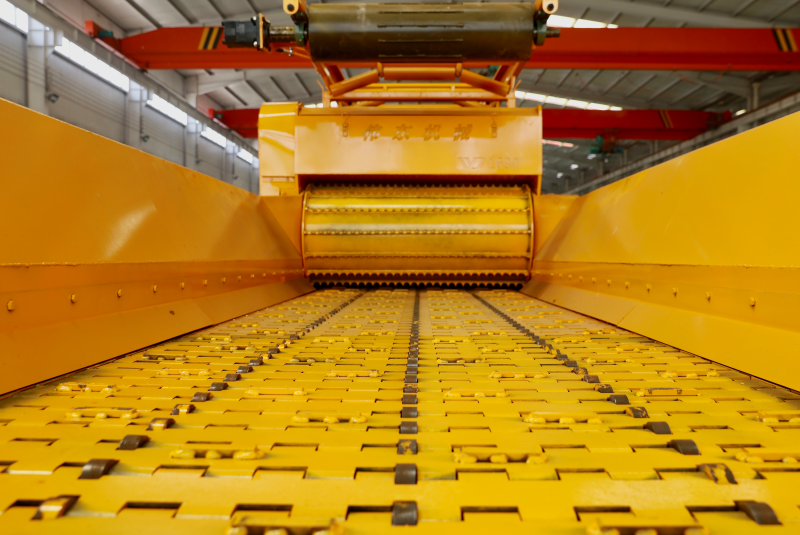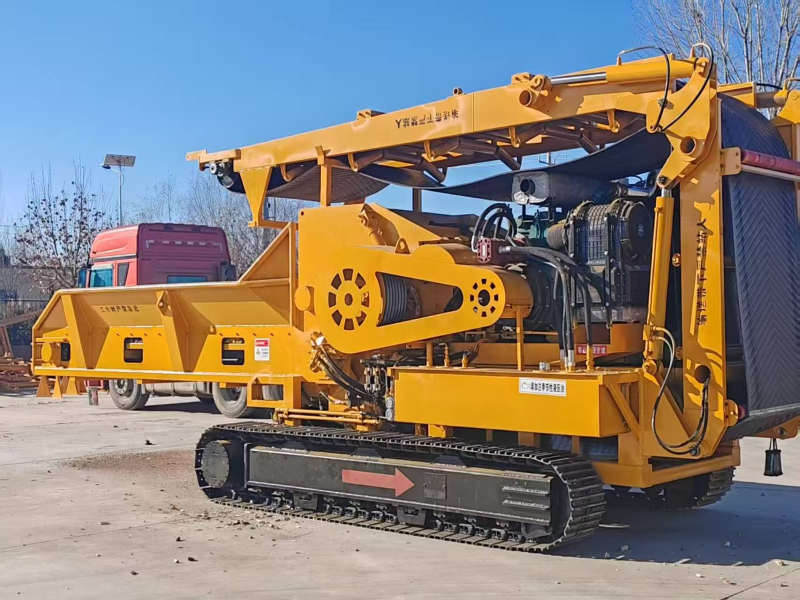
Safe feeding of logging slash into a horizontal grinder starts before the first branch reaches the conveyor. Tangled tops, long limbs and hidden objects require an inspection and loading plan. The exact operating limits and stop procedures must come from the machine manual, the trained crew and the site safety plan. This checklist helps a supervisor identify decisions to make before a production trial; it is not a substitute for equipment-specific instructions. Before each shift, the supervisor should record the chosen controls, crew assignments and the reason any feed lot is excluded.
Describe the material and the hazard boundary
Walk the feed pile and identify long springy branches, forked pieces, loose foliage, soil-bearing wood and possible wire or metal. Separate material that cannot be inspected or presented safely. Record the largest practical dimensions and how the loader will grip the pieces. A pile labeled logging slash is not a uniform feed. The logging slash feed-characteristics guide can be used to prepare a material record. If material changes materially during the shift, repeat the decision rather than assuming the opening can accept everything.
Assign people and zones
Mark where the grinder operator, loader operator, ground crew, truck drivers and visitors may stand. Keep the feed and discharge areas under the site traffic plan. Establish communication signals and identify who can order a stop. The loader operator needs clear sight of the feed area and should not have to drive across an output-truck route to reach the pile. Workers on foot need a defined task and separation from mobile equipment. Check local requirements and the actual machine instructions when setting distances and access rules; do not borrow a generic clearance number from another installation.
Inspect the machine before starting
Use the manufacturer’s pre-start checklist for guards, access doors, emergency stops, feed controls, discharge, service state and any detection devices fitted to this model. Test safety functions under the approved procedure. Do not operate with a removed guard or bypassed interlock to make a trial faster. Confirm that inspection and maintenance records are current. Verify that the discharge route and output bay are ready, because a blocked conveyor can cause a stop even when the feed opening is clear. The whole-tree inspection worksheet shows how to keep routine and event-based checks separate.
Prepare the first feed sequence
Start with a small representative lot and observe how the loader separates tangled crowns, orients long limbs and presents material. Keep the loader outside the moving feed mechanism and follow the model’s specified approach. Avoid overloading the opening or pushing with people or improvised tools. If a piece is beyond the equipment or loader’s safe handling limit, cut or reject it through an approved separate process. Record the difficult pieces so a later productivity estimate includes the time needed to handle them.
Stop for foreign objects and uncertain feed
Set a clear stop rule for suspected wire, metal, stone, soil-heavy roots and any object the crew cannot identify. Keep a reject pile physically distinct from clean feed. Do not assume a detection device removes the need for visual inspection, and do not place hands near the infeed to retrieve an object while the machine is active. The site lead should decide how the material is isolated, inspected and disposed of under the job plan. Record incidents by source landing to improve upstream sorting instead of treating recurring contamination as normal machine wear.
Use a formal jam-clearing procedure
A blocked feed or discharge is not a signal to climb into the equipment or open a cover immediately. Stop feeding, follow the manufacturer’s shutdown and energy-isolation procedure, wait for moving components to stop, and use trained personnel for clearing. Verify the absence of hazardous energy as required by the site’s lockout process. OSHA and NIOSH guidance on wood-processing machinery emphasize guarding and controlled isolation; the project must apply its own legal jurisdiction and model-specific instructions. Never restart until guards, covers and workers are accounted for.
Watch the whole line, not just the opening
Track loader, grinder and output vehicle behavior through a complete cycle. A truck reversing into the output bay can interrupt feed; a full pile can block access for inspection. Repeated bridging, unusual vibration or a change in discharge behavior needs a stop and investigation. Do not normalize a warning because the planned shift is short. The whole-tree safe-feeding checklist covers related equipment controls; logging slash adds tangled small material and hidden-object uncertainty.
Record safe production evidence
When the line is stable, log eligible input, accepted output, stop reasons and work hours. Separate a controlled feed-on interval from the full shift. A trial is not useful if the crew has to omit inspection or clearing time to reach the advertised rate. Note weather, lighting and material changeovers. The logging slash throughput protocol can structure the measurement once the operating method is safe. Keep the safety record with the trial data so later buyers understand how the result was achieved.
Brief the next shift
Hand over pile source, rejected lots, unresolved machine observations, guard and stop-test status, loader route changes and the current output pile condition. Ask operators to confirm that they understand the stop rule and communication signals. The horizontal grinder product page gives equipment context; procedures must be confirmed for the exact machine. A horizontal wood grinder overview may help nonoperators understand the equipment family. Send a material description and safety-plan questions through the engineering contact page before requesting a field trial.