Author: Micheal (Senior Sales Manager at WD Machinary)
Preventing unscheduled downtime on an industrial tub grinder requires a rigorous maintenance protocol structured around daily, weekly, and monthly operational intervals. To keep your processing line operating at peak capacity, you must diligently manage hydraulic system pressures, maintain optimal drive belt tension, clear debris from engine cooling packages, and inspect the structural integrity of your rotating tub bearings. Implementing a heavy-duty asset protection strategy using reliable machinery like our WD3600 series slashes unexpected component failures and keeps your processing yard highly profitable. Ultimately, a disciplined, proactive approach to preventative maintenance ensures your tub grinder transforms bulky stumps and green waste into consistent revenue rather than costly, mechanical downtime.
Introduction
In the high-stakes world of land clearing, commercial wood recycling, and biomass processing, there is one word that every fleet manager dreads more than any other: downtime. When a massive tub grinder sits idle in the middle of a job site because of a catastrophic mechanical failure, your entire operational flow grinds to a halt. Your loaders are sitting empty, your trucks are waiting on wood chips, your labor costs keep ticking upward, and your contract deadlines start slipping away.
As a senior sales manager at WD Machinary, I have spent years helping clients globally configure and maintain their heavy equipment fleets. I always tell my buyers that purchasing a premium machine like our WD3600 Series Tub Grinder is only half the battle; the other half is implementing a disciplined, non-negotiable preventative maintenance program.
Tub grinders handle some of the most brutal material loads in the entire industrial sector—smashing massive tree stumps, jagged roots, and bulky forest residuals hour after hour. Without structured care, the intense vibration and abrasive dust will cause premature component wear. This ultimate guide provides a comprehensive, scannable maintenance checklist designed to eliminate unscheduled failures and keep your equipment running at peak efficiency.
1. Daily Maintenance Protocols (Every 8–10 Operating Hours)
The daily walk-around inspection is your first line of defense against catastrophic failures. It should be performed diligently by the operator before turning the key at the start of every shift and right after the machine is shut down for the evening.
Fluid Levels and Hydraulic Systems
Industrial tub grinders rely heavily on hydraulic pressure to rotate the massive tub, operate the feed conveyors, and control the discharge systems. Check all engine oil, hydraulic oil, and engine coolant levels while the machine is sitting on flat, level ground. Inspect all hydraulic hoses, fittings, and cylinders for fine pinhole leaks or signs of outer rubber scuffing caused by vibrational rubbing.
Clearing the Engine Cooling Package
Wood grinding creates an immense volume of airborne wood dust, fine fibers, and particulate matter. If this debris accumulates in the engine radiator, oil cooler, or air intake screens, the engine will overheat rapidly, triggering automatic safety shutdowns or, worse, thermal damage. Blow out the radiator cores daily using compressed air or high-pressure water, and ensure the reverse-fan cycle (if equipped) is operating correctly.
Hammermill and Cutting Tips Inspection
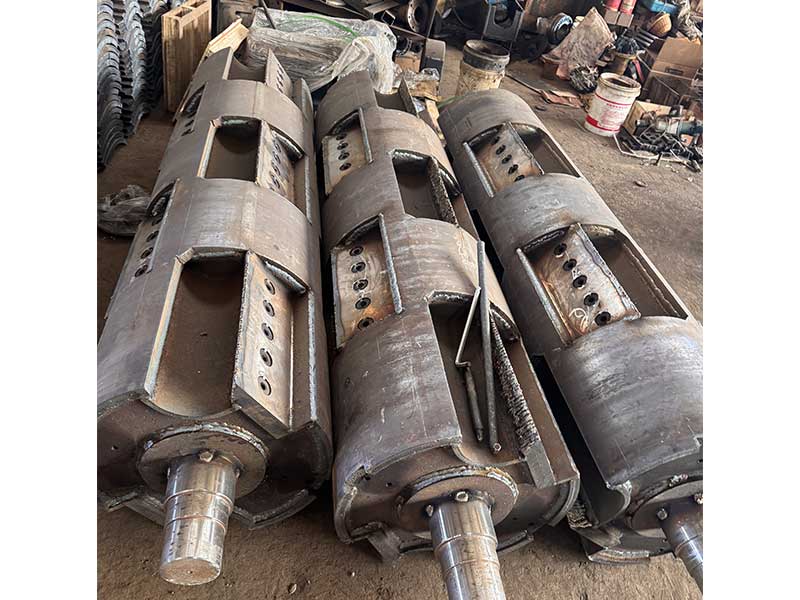
Open the mill housing enclosure and manually inspect the rotor assembly. Look for loose, cracked, or missing tungsten carbide cutting tips. Check the torque on all rod retention bolts and inspect the hammer faces for structural stress fractures. Replacing a single worn cutting tip takes minutes; replacing a shattered hammer that tore through your sizing screens can take days.
2. Weekly Maintenance Protocols (Every 40–50 Operating Hours)
Weekly maintenance moves beyond basic visual checks and focuses on structural alignment, component lubrication, and mechanical tensioning systems.
Greasing High-Load Bearings
Your tub grinder features several critical bearings that operate under extreme load and continuous vibration. The main rotor bearings, tub drive support rollers, and conveyor head/tail pulley bearings must be greased according to factory specifications. Use a high-quality, extreme-pressure lithium grease designed to displace moisture and resist breakdown under high running temperatures.
Drive Belt and Clutch Adjustments
The immense horsepower from the diesel engine transfers to the heavy hammermill rotor via either a heavy-duty fluid clutch or a mechanical PTO system linked to a series of high-torque drive belts. Check the tension on all drive belts. Loose belts will slip under heavy log impacts, generating extreme friction heat and causing premature belt failure. Conversely, over-tightened belts put excessive radial stress on engine crankshaft bearings.
3. Comprehensive Preventative Maintenance Checklist Matrix
To make it incredibly easy for your service technicians and shop foremen to log their maintenance tasks, use this structured master checklist table:
| Maintenance Interval | Component Target | Specific Action Required | Expected Operational Benefit |
|---|---|---|---|
| Daily (10 Hours) | Engine Air Intake | Inspect pre-cleaners; clean or replace primary air filters if dusty. | Prevents engine dusting and maintains fuel efficiency. |
| Daily (10 Hours) | Cutting Tips / Teeth | Inspect for rounding, chipping, or loose mounting hardware. | Maintains maximum volumetric tonnage capacity. |
| Daily (10 Hours) | Radiator & Coolers | Blow out wood dust and debris from all cooling fins. | Prevents high-temperature engine derating/shutdowns. |
| Weekly (50 Hours) | Rotor Main Bearings | Apply high-temp, extreme-pressure grease while rotor is warm. | Prevents catastrophic bearing lockup and shaft damage. |
| Weekly (50 Hours) | Drive Belts | Measure belt deflection; inspect for cracking or edge fraying. | Eliminates belt slippage and ensures full power transfer. |
| Weekly (50 Hours) | Tub Drive Chain/Gear | Inspect drive chain tension; lubricate teeth and check drive rollers. | Ensures smooth, non-binding rotational speed of the tub. |
| Monthly (250 Hours) | Engine Oil & Filters | Perform complete oil drain; replace oil and fuel-water filters. | Extends total engine lifespan and protects injectors. |
| Monthly (250 Hours) | Sizing Screens | Inspect for metal deformation, hole widening, or weld cracks. | Ensures consistent end-product chip sizing parameters. |
| Semi-Annual (1000 Hr) | Hydraulic Fluid | Take fluid sample for particle analysis; flush system and replace oil. | Protects expensive hydraulic pumps and travel motors. |
4. Monthly and Deep-Service Maintenance (Every 250–500 Operating Hours)
Monthly intervals are designed for comprehensive component evaluation and full fluid refreshes to ensure structural reliability.
Sizing Screen and Wear Plate Assessment
The interior of a tub grinder is a sacrificial environment—steel wear plates and sizing screens are slowly eaten away by abrasive wood flow and sandy root contamination. Once a month, remove the sizing screens completely. Inspect the structural welds holding the screen frames and check the thickness of the interior abrasion-resistant liners. If the liners wear too thin, the raw frame of the machine will begin taking damage, leading to expensive structural rebuilds.
Magnetic Separator and Conveyor Tracking
If your system features a downstream magnetic end-pulley conveyor to extract nails, wire, and tramp metal from your finished mulch, verify that the internal magnet is functioning properly. Check the tracking of the primary discharge conveyor belt. If the belt is tracking to one side, it will rub against the steel channel walls, fraying the edges of the rubber belt and forcing an early, expensive replacement.
5. Micheal’s Expert Tips for Managing Tub Grinder Reliability
Over my years managing technical sales and field servicing for WD Machinary, I have noticed that the most profitable operations share three common operational habits. Implement these tips to instantly upgrade your maintenance efficiency:
- Keep a Highly Detailed Service Log: Never rely on memory. Whether you use a digital fleet management application or a waterproof paper logbook stored in the machine’s utility box, every single greasing, oil change, and tooth rotation must be recorded with the exact hour-meter reading.
- Stock a “Critical Spares” Kit on Site: Do not wait for a component to break before ordering a replacement from our factory. Always keep a backup inventory of essential wear parts directly on the job site or in your service truck. Your kit should include: a full set of tungsten carbide cutting tips, tooth bolts, a set of engine drive belts, primary hydraulic filters, and at least one spare sizing screen.
- Listen to the Machine (Operator Training): Your equipment operators are your ears on the ground. A sudden change in vibrational frequency, a new rhythmic squeak from beneath the tub, or a minor drop in hydraulic pressure are all warning signals that a component is moving toward failure. Train your operators to stop the machine and investigate early rather than pushing through to the end of the shift.
Partner with WD Machines for Long-Term Fleet Success
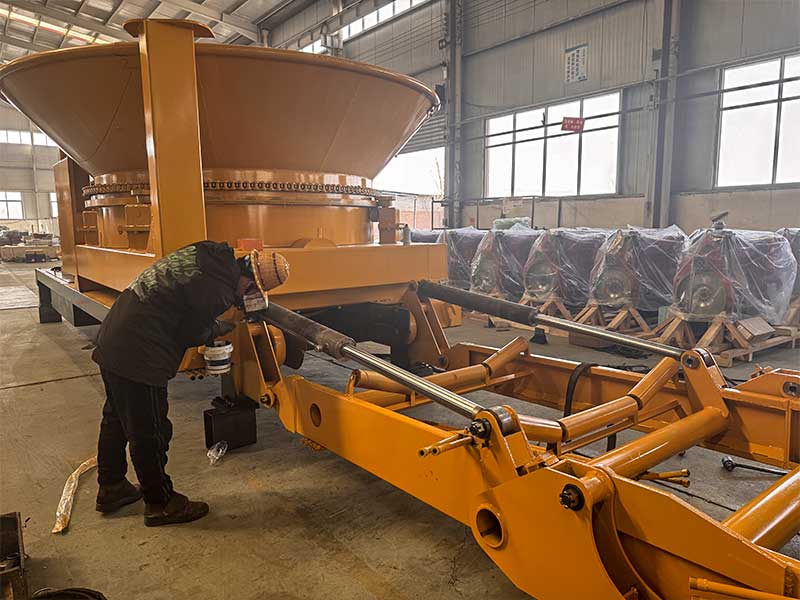
At WD Machinary, we pride ourselves on building industrial equipment that combines extreme power with technician-friendly serviceability. Our WD3600 Series Tub Grinders are designed with open-access engine bays, quick-change screen systems, and easily accessible grease points to ensure that maintaining your machinery takes as little time away from your production schedule as possible.
Do you need to order a fresh preventative maintenance kit or request technical blueprints for your service crew?
Explore our global industrial support platform at www.wdmachinary.com or reach out to me, Micheal, directly today. Let me know your current machine hours and your material processing conditions, and I will help you customize an optimized maintenance schedule and parts kit designed to protect your capital investment and keep your yard running smoothly!