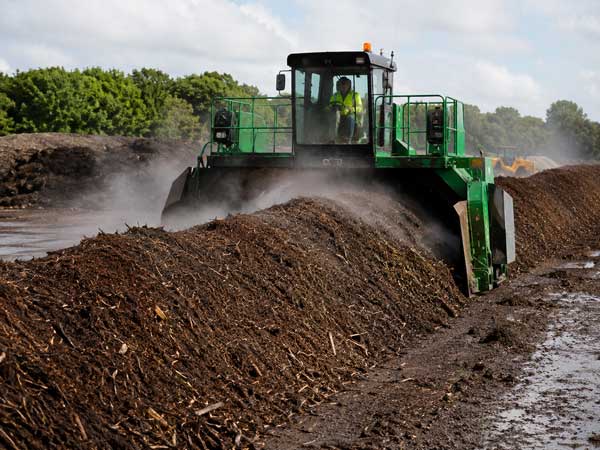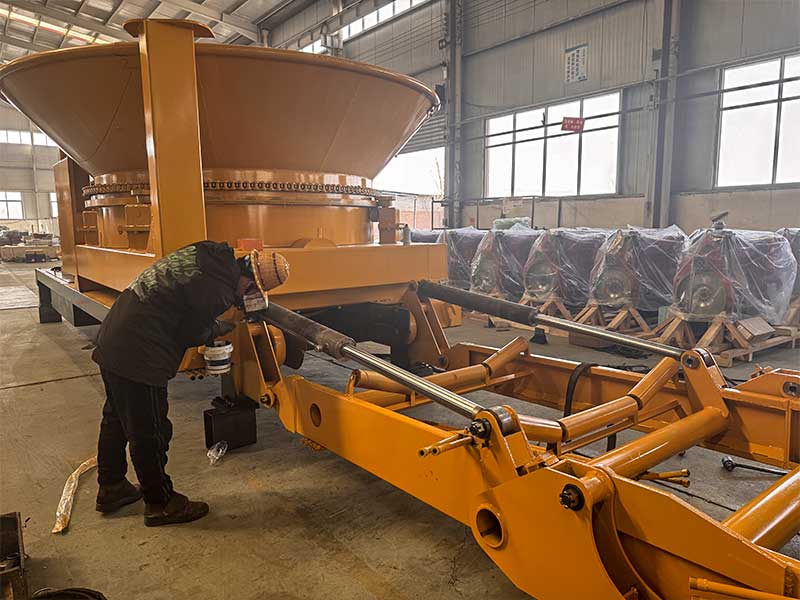
A municipal woody waste tub grinder throughput test is useful only when its material, configuration and measurement boundaries are visible. Feed geometry, material condition and screen choice can change the work performed, but a trial that changes them together cannot reliably assign the result to one factor. Procurement needs a comparison record, not a single impressive rate divorced from the output requirement.
This guide is for the engineer preparing an authorized trial. It explains the comparison sheet and the questions to ask of a report. It is not an instruction to adjust machinery, change components or sample near operating equipment. Use the approved configuration, operating, isolation and sampling procedures for the actual unit.

Start with the receiver’s output criterion
Define the output requirement and assessment method before the trial. Record how accepted material, oversize, rejects and any additional processing are identified. Material crossing the discharge point is not automatically accepted output.
Request that the trial report retain these different streams. A higher feed-processing rate may not serve the project if the resulting material requires additional work or fails the receiver’s criteria. Keep this question separate from whether the machine can physically take the prepared feed.
Describe representative feed before comparing settings
Record source, preparation, geometry and material condition for each trial batch. State which values were measured and which are observations or estimates. Preserve the quantity basis: as-received mass and dry-material quantities are not interchangeable without the relevant measurements.
The municipal feed-characteristics sheet supplies the material description. If a trial uses only a selected part of the accepted stream, say so. Do not present its result as covering untested source variations.
Use a trial comparison sheet
| Trial record | Keep consistent or document | Interpretation risk |
|---|---|---|
| Feed source and preparation | Representative batch description and release status. | Different preparation mistaken for a configuration effect. |
| Geometry and condition | Measurement or observation method and sample basis. | Unmeasured moisture or shape differences hidden by one label. |
| Machine configuration | Actual approved arrangement and changes. | Several changed variables attributed to one component. |
| Processing time | Active time and full observed-period time separately. | Interruptions omitted from delivered performance. |
| Material quantities | Feed sent, output assessed and accepted output. | Discharged mass treated as accepted output. |
| Support and interruptions | Loader availability, output handling and event reasons. | System constraints misreported as machine-only capacity. |
Attach the configuration and sampling references to the record. Retain observations that complicate the result, not just the best processing segment. A trial report should make it possible to identify what the comparison actually changed.
Distinguish active processing from delivered output rate
On a stated mass basis, active feed-processing rate = feed mass sent to processing ÷ active processing time. Separately, accepted-output delivery rate = accepted output mass ÷ full observed-period time. These quantities answer different questions and should not be labelled as the same capacity.
Use consistent units and time boundaries. Include the treatment of preparation, interruption, reprocessing and output assessment in the report. A zero or missing denominator is an incomplete record, not a rate that can be inferred from an equipment claim.
Interpret feed-size changes carefully
Prepared geometry can change presentation and processing demand, but the actual effect needs representative evidence. If feed preparation is changed between trials, document the upstream work as well as the machine result. Otherwise, additional preparation can appear to be a cost-free improvement in equipment performance.
The release-to-feed handoff principles reinforce the distinction between prepared material and an unreviewed pile. Apply the handoff to municipal sources with their own receiving criteria rather than importing sawmill source assumptions.
Interpret moisture and screen choice without universal rules
Record moisture on its stated measurement basis where it is relevant to the trial. Do not replace measurement with a visual description, or convert a condition observation into a numerical value. Compare batches with awareness of other changed feed characteristics.
Screen or other component choices must follow the configuration documentation and authorized procedures. Their effect should be evaluated against accepted output and the actual feed, not a universal promise that a particular choice increases throughput. Do not extrapolate beyond the tested arrangement or conceal different output criteria between runs.
Keep a comparison useful when perfect control is unavailable
Field trials may not hold every variable constant. Record the differences and state what can and cannot be concluded. If the feed, preparation and configuration all changed, the result may describe a complete system comparison without isolating a screen effect.
Mark untested assumptions and decide what additional observation would reduce the decision uncertainty. Avoid inserting plausible numerical corrections to make unlike trials appear identical. A qualified limitation is more useful to a buyer than false precision.
Connect measured performance with required duty
The municipal collection duty profile describes how much released feed the project must handle and when it becomes available. Compare that requirement with the trial’s full-period evidence and supporting-resource assumptions. Demand records and machine trials complement each other; neither proves the other.
Use the same material and output boundaries when comparing tub grinder configurations or a horizontal wood grinder. Send the trial sheet and unanswered questions through the technical enquiry page. A credible throughput report states its input, configuration, output and time basis clearly enough that another reviewer can identify both the evidence and its limits.
Audit the report before using the result
Check that every reported rate has a recoverable material quantity and time interval. Confirm that the sample description, configuration reference and receiver decision belong to the same trial. Flag a missing acceptance assessment instead of assuming all output passed. Retain reasons for excluding a segment and show the remaining observation window clearly.
A reviewer should be able to reproduce the calculation from the recorded inputs without guessing which interruptions were removed. If that is not possible, request clarification and treat the result as provisional. This keeps a trial summary from becoming an unsupported specification.