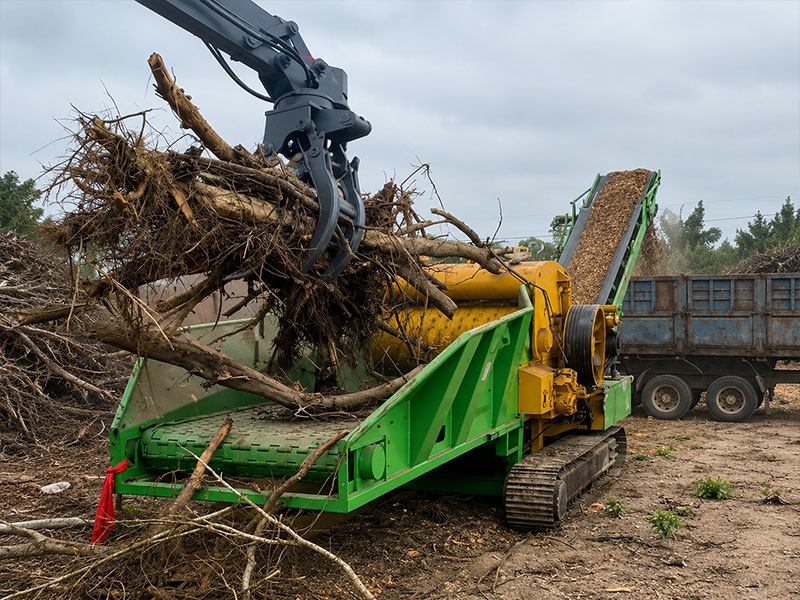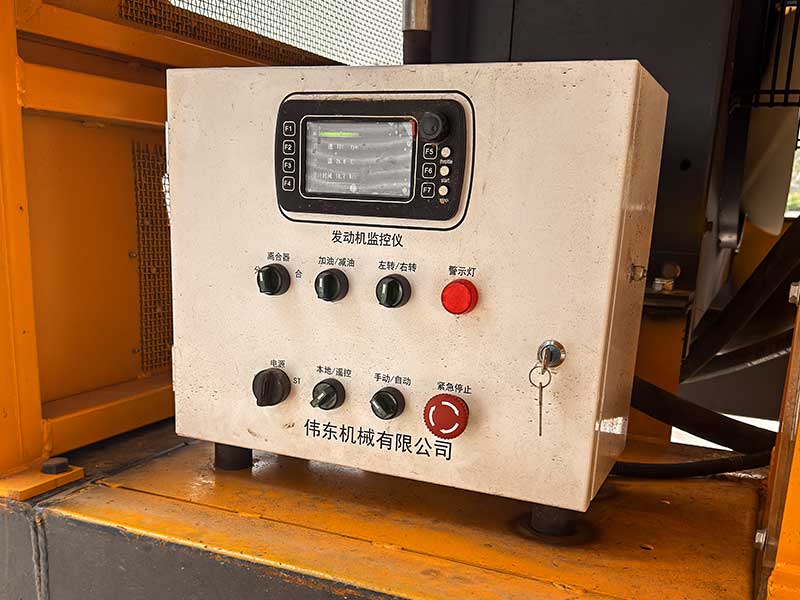
Horizontal grinder wear parts cost per ton for whole trees is meaningful only when the cost ledger and the output ledger describe the same material and period. A stem-heavy trial can leave a different condition record from a root-rich clearing job. If the denominator includes all machine discharge while the receiver accepts only part of it, the reported wear cost understates the cost of usable biomass. Build the calculation around identified feed lots and accepted output.
This is an accounting and inspection method, not a prediction that a particular part lasts a fixed number of hours. Use the delivered machine manual for inspection and replacement limits. Use actual purchase prices and labor records for the project. The purpose is to find which material and operation choices drive cost, not to publish an unsupported universal rate.
Define the period and material boundary
Choose a complete campaign, a set of comparable shifts or another period long enough to include actual wear actions. Record the machine ID, rotor and tooling configuration, screen setting, operator, source lots and working hours. Separate straight stems, crowns, branches and soil-bearing roots. If the mix changes during the period, retain the lot-level record rather than averaging the material into one undefined whole-tree label.
Specify whether the cost calculation includes only replaceable wear parts or also labor, freight, consumables and planned inspections. Report that scope beside every figure. The whole-tree feed characteristics sheet supplies the material fields needed to interpret a wear trend.
Build a part ledger from real work orders
For each fitted part, record manufacturer part number, position, installation date, machine hours, reason for replacement, removed condition, invoice cost and whether a reusable core or warranty credit applies. Include fasteners, screens and other components only when they were actually consumed or damaged in the defined scope. Avoid charging an entire spare-parts purchase to the current lot if those parts remain in stock.
Keep planned replacement separate from damage following a specific contamination event. Attach photographs and the relevant material lot. If a stone or metal item was found, note the receiving control that failed. A precise-looking cost per ton is not helpful if it hides preventable damage in a broad average. The roots and branches comparison reinforces why soil-rich roots should not be treated as the same duty as clean stems.
Record condition before replacing a part
Use the manufacturer’s inspection points and allowable limits. Measure or photograph wear consistently, and record the action recommended by a qualified person. A change in output size, vibration or feed behavior may trigger an inspection, but it does not alone prove which component failed. Avoid changing several parts without a record of what was found; otherwise the cost ledger cannot help diagnose the cause.
Do not extend part use past an approved limit to improve a short-term cost figure. Likewise, do not replace parts early solely because a generic calendar says so when the manual and competent inspection permit continued use. The whole-tree throughput trial shows how a setting and feed change can alter both output and the evidence needed for maintenance interpretation.
Choose the denominator with the receiver
Record gross first-pass discharge, oversize that returns to the machine, contamination rejects and receiver-accepted biomass separately. Count a reprocessed load as additional machine work but not as new project supply. For a product-cost figure, divide the chosen wear cost by receiver-accepted quantity over the same period. State whether quantity is measured as received or on a dry basis.
If a project lacks a scale, report the measurement method and uncertainty. A loose volume estimate should not be silently converted into tonnes using an unrelated density. A small denominator can make one replacement event dominate the result, so show the period and quantity beside the calculated rate. Include a simple range if the output quantity is uncertain.
Add labor and downtime without mixing categories
If the buyer wants a wider maintenance cost, add technician labor, travel, lifting, cleaning and planned service as separate rows. Record whether the machine was stopped for maintenance, feed shortage or output transport. Do not assign all downtime to wear parts. A cost per accepted ton can be calculated with and without these wider rows so quotations remain comparable.
Keep capital components and unexpected major repairs in their own category unless the decision specifically calls for an all-in lifecycle model. The horizontal grinder range identifies equipment families, but the actual replacement parts and service scope belong to the quoted configuration.
Compare feed classes and corrective actions
After several periods, group the records by material class, source and contamination level. Look for repeated damage associated with one lot type, a particular operating pattern or a change in output requirement. Check whether sorting, trimming, a different setting or a separate root-handling route would reduce accepted-product cost. Treat a correlation as a question for inspection, not automatic proof of a machine defect.
Where a project compares another feed arrangement, the horizontal wood grinder overview can align the categories, but cost comparisons still need the same material and accepted-output denominator. Do not use one supplier’s gross discharge against another’s accepted tonnes.
Publish the calculation with its evidence
A useful report shows the part ledger, feed lot mix, measured accepted output, labor boundary, downtime categories and uncertainties. Record prices and dates from actual invoices without presenting them as permanent market facts. Send the ledger and material description through the engineering contact page if a configuration or service question remains. Wear cost becomes actionable when the team can trace it to a part, a material condition and an accepted product quantity.