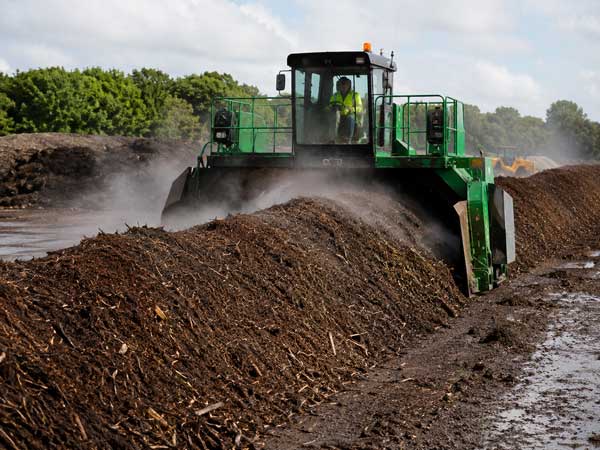
Tub grinder wear parts cost per ton for municipal woody waste needs a defined numerator and denominator. A spare-parts invoice divided by a collection total can produce a number, but not necessarily a useful processing cost. The invoice may include unused stock, while the collection total may include held, rejected or unprocessed material. Start with the records that explain which parts and quantities belong to the estimate.
This guide is for an operations manager comparing wear-part demand across documented processing periods. It provides a component ledger and measurement boundaries, not prices or promised service lives. Use the organization’s approved costing method and actual component, inspection and material records. Equipment maintenance decisions remain governed by the applicable instructions and authorized procedures.
Define what the estimate includes
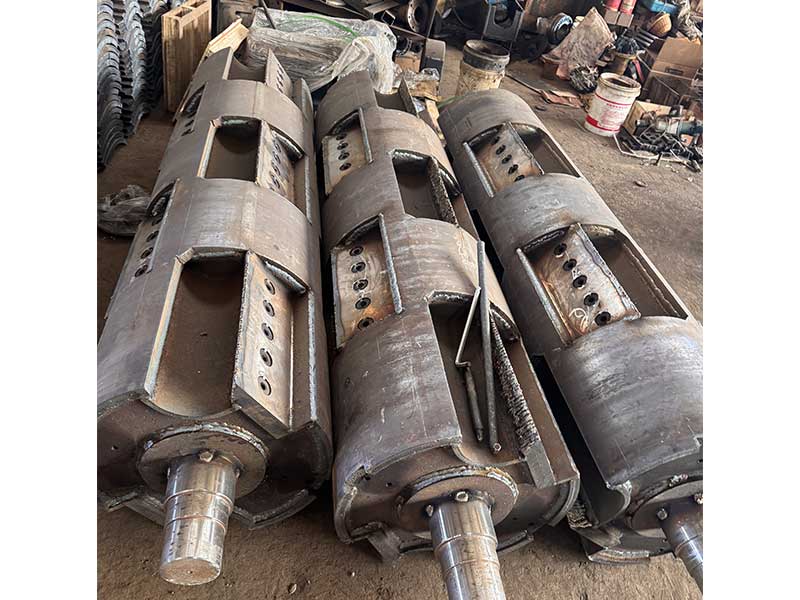
Identify the components included in wear-part cost and the treatment of installation labour, service work, freight and other related items. State whether those are included or reported separately. Do not compare a parts-only number with another project’s broader maintenance cost and interpret the difference as machine efficiency.
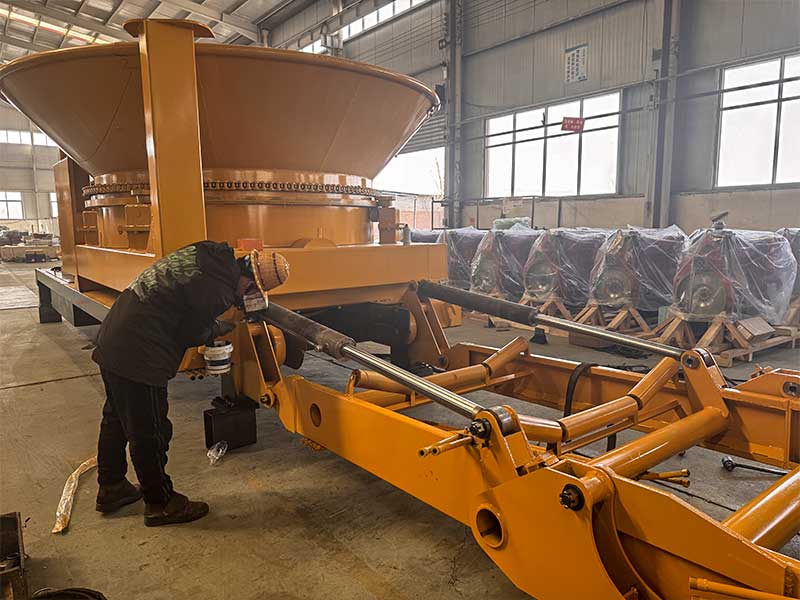
Retain the actual component identity, approved compatibility information and configuration. The tub grinder equipment page is a starting point for component enquiries, not proof that an unspecified spare fits every model. A material cost calculation cannot establish a safe replacement procedure.
Separate purchases from consumption
Record receipts into stock separately from components installed or otherwise allocated to the defined processing period. Purchasing a spare does not mean it was used immediately. A component already installed at the period’s start may continue across several periods, so disclose the treatment of carryover rather than hiding it in one invoice total.
Keep the organization’s allocation method visible and consistent. If a complete component cycle is available, show its installation and replacement boundaries. If the cycle is incomplete, mark the estimate provisional and identify the missing evidence. Do not invent an expected life merely to complete the calculation.
Use a component ledger with traceable events
| Ledger field | Evidence to retain | Common boundary error |
|---|---|---|
| Component identity | Part reference and approved configuration. | Combining unlike components under one spare label. |
| Cost basis | Actual charge or disclosed allocation method. | Presenting an allowance as a measured expense. |
| Receipt and installation | Stock movement and authorized service record. | Counting unused purchases as consumed parts. |
| Replacement or disposition | Reason and relevant condition evidence. | Assuming every removal proves normal wear. |
| Processing exposure | Matched period, feed identity and quantity basis. | Using unrelated collection tonnage. |
| Carryover and exclusions | Items extending beyond the reporting period. | Hiding incomplete cycles inside a precise total. |
Attach original records and identify estimates. A ledger can support a credible range or a provisional estimate when the evidence is incomplete. It should not manufacture a precise figure from a component life that has never been observed.
Choose a material denominator that answers the question
For a stated period and mass basis, wear-part cost per feed ton = allocated wear-part cost ÷ measured feed mass sent to processing. Separately, wear-part cost per accepted output ton = the same stated cost boundary ÷ measured accepted output mass. Label the two quantities distinctly.
Do not use all incoming collection mass if some loads remain held, are rejected or bypass processing. Do not use all discharged material if some output is not accepted. Keep wet/as-received and any dry-material quantities distinguishable; a conversion requires the relevant measurement basis.
Connect the ledger to representative feed
Record sources, preparation and foreign-material findings during the exposure period. Different preparation or source conditions can change the work performed. Preserve those differences before attributing a cost change to the machine or a replacement component.
The municipal feed-profile sheet supports this description. The municipal throughput-test method clarifies accepted output and time boundaries. Neither source supplies a universal wear rate or contamination penalty.
Keep condition assessment separate from cost attribution
A removal record should retain why the component was assessed or replaced. Normal consumption, foreign-material damage, an authorized configuration change and a preventive decision are not automatically the same event. Use qualified assessment rather than diagnosing the cause from a cost entry alone.
The inspection-register principles explain the connection between instructions, exposure and findings. Apply those principles to the municipal source with its own evidence. No costing argument should override a required inspection, isolation or component condition limit.
Compare periods with their limitations visible
Use the same inclusion rules, allocation method and quantity basis across periods. Identify incomplete component cycles, source changes and estimated mass. If these differ, present the comparison as conditional instead of announcing a proven reduction in cost per ton.
When comparing a horizontal wood grinder, obtain its actual component and operating records on the same process boundary. Do not transplant tub-grinder component life into another architecture or assume that a lower purchase price produces lower consumed-part cost.
Turn the estimate into useful procurement questions
Ask for component identification, availability information and the documentation needed for authorized servicing. Request clarification about what a supplier’s cost statement includes and which feed and configuration assumptions support it. Keep a quoted allowance separate from measured site history.
Share the ledger, source profile and unanswered component questions through the parts and application contact. A defensible wear-part estimate explains what was allocated, which material quantity it relates to and where evidence remains incomplete. That makes it useful for planning without inventing prices, replacement intervals or a guaranteed cost per ton.