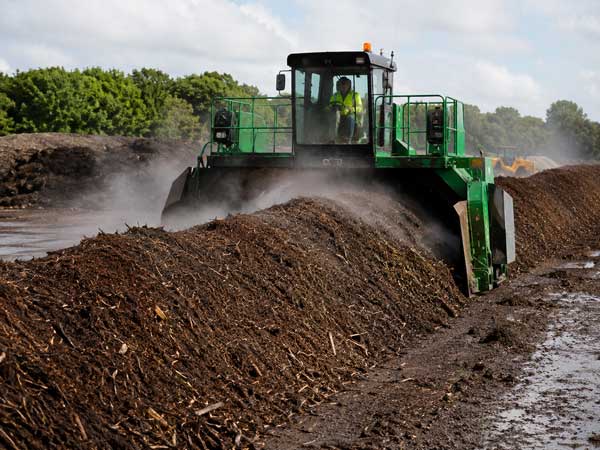
Tub grinder inspection intervals for municipal woody waste need a documented schedule and a way to recognize when the operating assumptions change. A municipal collection stream can change in source, preparation or acceptance status without changing its programme name. Maintenance records should preserve those changes alongside the actual machine requirements and condition findings.
This field note is for a planner maintaining the inspection register for a municipal woody-waste project. It describes schedule governance, not a universal calendar. Required timing, methods, component limits and access conditions come from the specific equipment and component documents and approved site procedures. This article supplies no substitute hour interval or numerical limit.
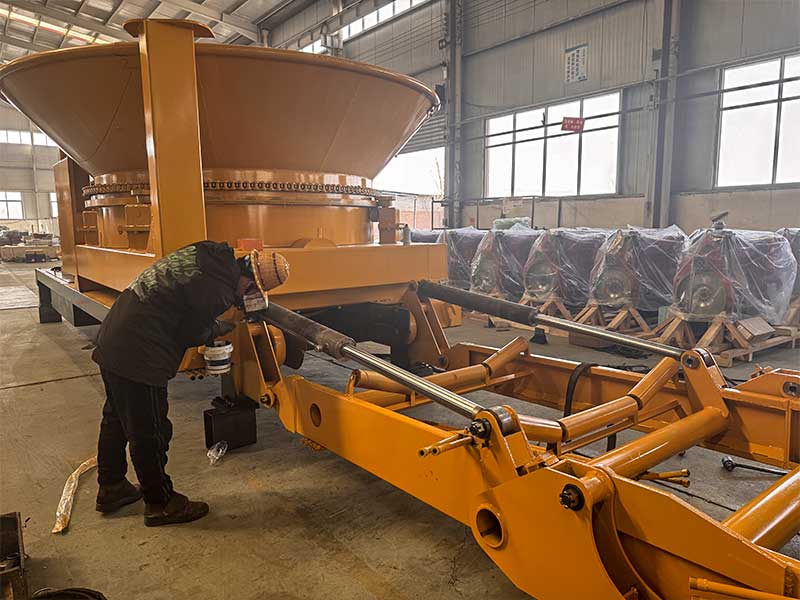
Establish the configuration and instruction baseline
Identify the installed machine configuration and the current instruction versions. Record the components covered by each scheduled task and the applicable scheduling requirement. Keep supplier or component instructions distinguishable from locally adopted checks and informal operating habits.
The tub grinder product page supports configuration enquiries. Request the documents for the actual unit and supporting arrangement. A general category description cannot establish a component-specific inspection interval, approved access point or replacement criterion.
Define each task before assigning its frequency
Describe what the task checks, the authorized method and the person responsible. Distinguish approved operating observation from inspection requiring physical access. The latter may require isolation and other controls that an operating observation does not address.
Do not treat a stopped-looking machine as proof that hazardous energy is controlled. Guard removal, access to processing areas and maintenance intervention must follow approved isolation and verification procedures. Keep return-to-service requirements separate from the observation or inspection that began the work.
Use three scheduling categories
First, retain the tasks scheduled under the applicable equipment and component requirements. Second, identify approved condition or event triggers that require assessment. Third, track incomplete or deferred tasks through the site’s authorized decision process. These categories answer different questions and should not be merged into one list labelled checked.
The inspection-register principles for mill residuals explain the value of a source and exposure baseline. For municipal inputs, add the receiving and collection changes that may alter that baseline. Do not transplant a mill’s schedule or observations as evidence for another stream.
Keep a municipal change-trigger register
| Recorded change or finding | Evidence to retain | Review question |
|---|---|---|
| Collection stream changes | Source notice and released-feed description. | Does the current operating baseline still represent the feed? |
| Preparation method changes | New preparation state and approved handoff. | Which assumptions or task references need reassessment? |
| Foreign-material event | Receiving decision, observation and disposition. | What authorized technical assessment is required? |
| Condition finding | Specific task result and assessment owner. | What do the actual component instructions require? |
| Incomplete inspection | Task, reason and unresolved status. | Who owns the required action and operating decision? |
| Authorized intervention | Service work and return-to-service evidence. | What baseline or schedule records must be updated? |
The register is not a diagnosis table. It identifies the evidence and questions for qualified assessment. A foreign-material observation, for example, does not by itself prove which component is damaged or which replacement is necessary.
Attach a meaningful exposure denominator
Retain relevant operating hours, identified batches or measured feed quantities on a consistent basis. Label estimates and explain what the period includes. Similar hours can represent different work when receiving or preparation changes alter the material presented to the machine.
The municipal feed-characteristics sheet supports the source description. Preserve the conditions the records actually cover. Do not invent a seasonal adjustment or a wear multiplier to explain missing observations.
Distinguish upstream holds from machinery findings
An interruption may arise from unresolved incoming material, preparation, support-resource availability, output handling or equipment assessment. Keep those categories separate. A decline in full-period delivery does not automatically identify a worn component or justify changing an inspection interval.
The municipal operating handoff defines who owns hold, stop and escalation decisions. Link the inspection record to that handoff without erasing the original receiving question. Maintain separate records for material disposition and any authorized technical intervention.
Review trends before proposing a schedule revision
Compare the same task and method across a consistent exposure basis. Identify source changes, missed tasks and different assessment methods before interpreting a trend. A series of satisfactory findings does not automatically authorize extending a required interval.
If a change is proposed, retain the instruction reference, evidence, responsible reviewer and approved decision. Explain what changed and which conditions would prompt further review. When comparing a horizontal wood grinder, obtain its own requirements; another architecture does not inherit this unit’s inspection schedule.
Keep deferred tasks and unresolved findings visible
Record an incomplete task as incomplete rather than satisfactory. Retain why it could not be completed and who owns the next action. Use the organization’s authorized process for any operating or return-to-service decision associated with that status. A full production schedule is not evidence that the inspection question has been resolved.
Separate required servicing from spare-parts planning. The municipal wear-part ledger can connect consumption records with exposure, but a financial allowance cannot override an equipment requirement or authorize a maintenance intervention.
Issue a clear shift and maintenance handoff
Share the current register, due tasks, incomplete checks, source-change notices and unresolved findings with the responsible teams. Confirm ownership of follow-up and the approved status of any machine that underwent intervention. Keep the revision history available so that a new planner can understand why the schedule has its current form.
Use the configuration and service contact to obtain missing documents or discuss unresolved task requirements. A credible municipal inspection plan connects actual instructions, material exposure and qualified findings. It does not rely on a generic interval that hides changing inputs or turns an unfinished check into an assumed approval.